Table of Contents
- Why Pollinator-Friendly Gardening Matters
- Choosing Pollinator-Friendly Plants for Year-Round Colour
- Creating a Wildflower Garden in Shade
- How to Create a Wildflower Meadow
- Pesticide-Free Gardening for Pollinators
- Providing Water and Shelter
- Common Mistakes to Avoid
- Frequently Asked Questions
Last Updated: October 21, 2026
Why Pollinator-Friendly Gardening Matters
Pollinators are disappearing. Bees, butterflies, and other insects that move pollen between flowers are facing habitat loss, pesticide exposure, and food scarcity. When pollinators vanish, gardens suffer. Vegetables won’t set fruit. Flowers won’t bloom reliably. Your garden becomes less vibrant and productive. Pollinator friendly gardening addresses these challenges by creating the habitat pollinators need.
Pollinator-friendly gardening tips in 2026 focus on one core idea: create the conditions pollinators need to thrive. This means growing the right plants, avoiding chemicals, and providing water and shelter. At TLC Gardening, we help homeowners across Oxfordshire transform their gardens into wildlife havens while keeping them looking beautiful and well-maintained.
The good news is simple. You don’t need a wild, unkempt space to support pollinators. A well-designed garden can be both attractive and alive with bees and butterflies. The key is knowing what to plant, when to plant it, and how to manage your space year-round.
Choosing Pollinator-Friendly Plants for Year-Round Colour
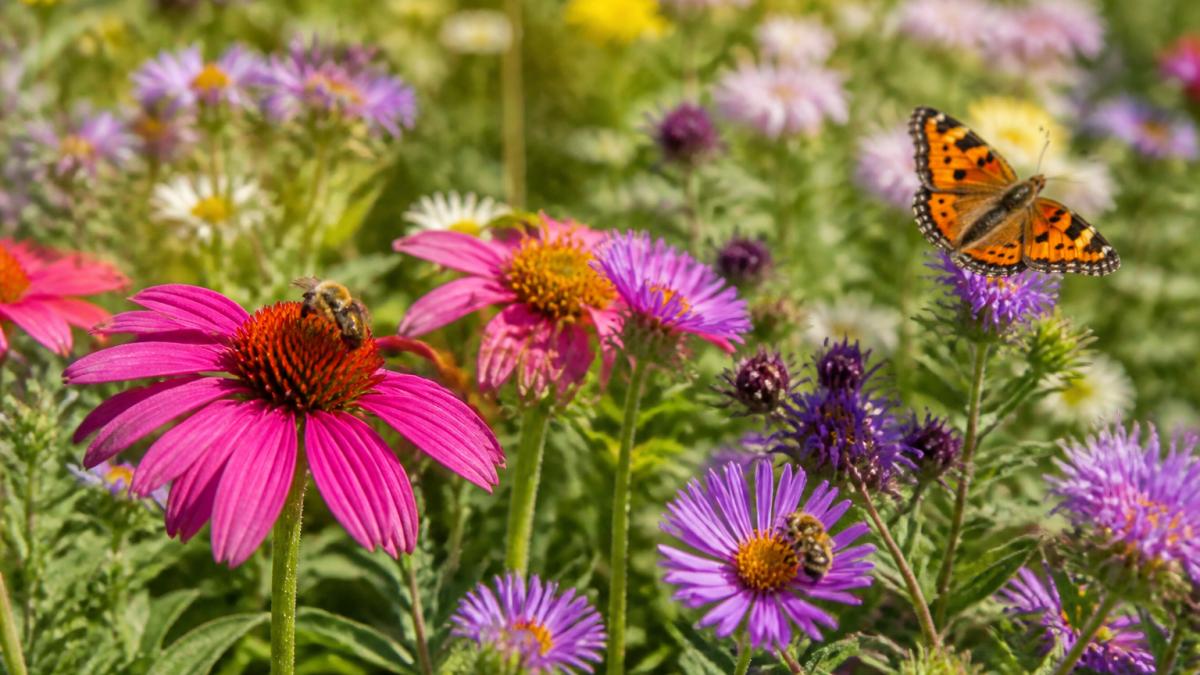
The foundation of pollinator-friendly gardening is plant selection. Pollinators need nectar and pollen throughout the growing season. Single-flowered varieties work best because they offer accessible pollen. Double flowers, bred for ornamental appeal, often have no pollen at all.
Spring bloomers for early pollinators
Early spring is critical. Pollinators emerge hungry after winter, but few flowers are blooming. Fill this gap with early bloomers.
Plant these in autumn for spring flowers:
- Crocuses and snowdrops
- Hellebores
- Early tulips (single varieties)
- Pulmonaria
- Winter-flowering heathers
These plants give pollinators their first food source when they need it most. A single patch of crocuses can attract dozens of bees on a warm March day.
Summer and autumn nectar sources
Summer is when gardens peak. Pollinators are active and hungry. Stock your borders with long-flowering plants that bloom reliably.
Best summer choices for pollinator-friendly gardening:
- Lavender (deadhead spent flowers to extend blooming)
- Borage (self-seeds freely)
- Cosmos (tall varieties attract larger insects)
- Sunflowers (single-flowered types only)
- Verbena bonariensis
- Sedums (also provide autumn interest)
- Asters and rudbeckias (bridge summer into autumn)
Autumn matters more than many gardeners realise. As temperatures drop, pollinators need fuel for migration or overwintering. Late-flowering plants like asters, sedums, and ivy flowers provide essential resources when few other plants are blooming.
Creating a Wildflower Garden in Shade
Shade is a challenge for pollinator friendly gardening. Most wildflowers demand sun. But shade gardening for pollinators is possible with the right approach.
A wildflower garden in shade works best with plants adapted to low light. These species bloom later and flower for longer because they’re not stressed by heat. The trade-off is fewer blooms per plant, so you need more plants.
Shade-tolerant wildflowers include:
- Wood anemones
- Hellebores
- Foxgloves (biennial but self-seeds)
- Aquilegia
- Astilbe
- Liriope
Partial shade (3-4 hours of sun) opens more options. Add epimedium, geranium, and early-flowering bulbs. The key is matching plant to light level. A plant struggling in deep shade produces fewer flowers and attracts fewer pollinators.
How to Create a Wildflower Meadow
A wildflower meadow is the ultimate pollinator-friendly garden feature. It provides continuous blooms and habitat for insects. Creating one requires patience and the right method.
Preparing your soil and site
Success starts with soil preparation. Wildflowers thrive in poor soil. Rich soil favours grasses and weeds over flowers.
Your preparation steps:
- Remove existing turf or vegetation
- Scarify the soil surface to expose bare earth
- Test soil fertility (wildflowers prefer low nitrogen)
- If soil is very rich, remove topsoil or add sand to reduce fertility
- Leave the prepared area for 4-6 weeks to allow weed seeds to germinate
- Remove emerging weeds before sowing
Site selection matters too. Wildflowers need at least 4-6 hours of sun. South or west-facing slopes work well. Avoid low-lying wet areas unless you’re sowing wetland wildflower mixes.
Sowing and establishing your meadow
Timing is crucial. Autumn sowing (September to November) gives seeds winter chilling, which improves germination. Spring sowing works but produces weaker results.
Sowing process:
- Mix seed with sand (easier to spread evenly)
- Sow at the rate specified on your seed packet
- Lightly rake to ensure seed contacts soil
- Water gently if conditions are dry
- Avoid walking on the area for 8 weeks
Germination takes 2-4 weeks. You’ll see seedlings emerging in spring (for autumn-sown seeds) or within weeks (for spring-sown seeds). Most wildflowers flower in their second year, so patience is essential.
Year-round management and maintenance
A wildflower meadow needs active management. Without it, grasses take over and flowers disappear.
Essential maintenance tasks:
Spring (March to May): Remove any emerging weeds before they set seed. Do not fertilise. Allow flowers to bloom and set seed.
Summer (June to August): Let the meadow grow. Resist the urge to tidy. Insects need the habitat. Deadhead only if you want to prevent self-seeding.
Autumn (September to November): Cut the meadow once, between mid-August and September. Cut to 2-3cm height. Leave the cuttings for 3-5 days to allow seeds to fall back into the soil, then remove them. This prevents nutrient build-up.
Winter (December to February): Leave the meadow untouched. Seed heads provide food for birds. Dead stems offer shelter for insects.
One cut per year is the golden rule. Two cuts or more favour grasses over wildflowers. No cuts mean the meadow becomes overgrown and loses diversity.
Pesticide-Free Gardening for Pollinators
Pesticides kill pollinators. Even low-dose insecticides harm bees’ ability to navigate, feed, and reproduce. Herbicides reduce the plants pollinators depend on.
Pesticide-free gardening for pollinators means accepting that some pests will be present. Your goal is balance, not elimination. A few aphids won’t destroy your garden. They feed ladybirds and hoverflies, which are pollinators themselves.
Practical alternatives to chemicals:
- Hand-pick large pests (caterpillars, beetles) and remove them
- Spray affected plants with water to dislodge aphids
- Encourage natural predators by providing shelter and food
- Use netting to protect vulnerable young plants
- Accept minor damage as the cost of a living garden
- Avoid “tidy” cultivars bred for pest resistance; they often have no pollen
The hardest part is changing your mindset. A few holes in leaves look untidy. But they’re a sign your garden is alive and feeding wildlife. That’s the point.
Providing Water and Shelter
Pollinators need more than flowers. They need water and places to rest and nest.
Water provision is simple. Pollinators can’t land on open water without drowning. Create shallow drinking stations:
- Terracotta saucers filled with pebbles and water
- Shallow bowls with stones for landing
- Muddy patches near the garden edge
- Birdbaths with pebbles inside for grip
Change water every 2-3 days to prevent mosquito breeding.
Shelter is equally important. Insects need places to sleep, overwinter, and nest.
Shelter solutions:
- Leave dead wood and leaf litter in quiet corners
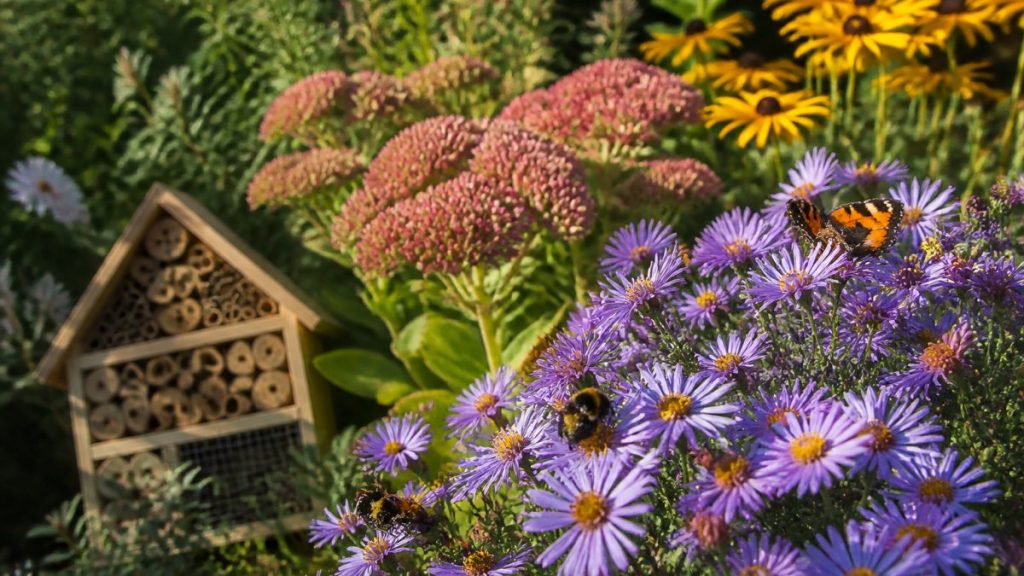
- Create bug hotels from stacked logs and hollow stems
- Leave some areas unmulched for ground-nesting bees
- Plant dense shrubs for protection
- Avoid tidying the garden completely in autumn
A wild corner is not laziness. It’s essential habitat.
Common Mistakes to Avoid
Most gardeners make the same errors when starting pollinator-friendly gardening. Learn from them.
Mistake 1: Double flowers. Ornamental doubles have no pollen. Your garden will look full of blooms but attract few insects. Stick to single-flowered varieties.
Mistake 2: Gaps in the season. A garden full of spring flowers but empty in autumn fails pollinators when they need food most. Plan for continuous blooms from early spring through late autumn.
Mistake 3: Expecting instant results. Wildflower meadows take 2-3 years to establish. Pollinators take time to find your garden. Don’t give up after one season.
Mistake 4: Over-tidying. Autumn leaf clearing removes shelter and overwintering sites. Leave some mess.
Mistake 5: Planting monocultures. Ten lavender plants are less valuable than ten different species. Diversity matters. Different pollinators prefer different flowers.
Mistake 6: Using peat-based compost. Peat extraction destroys wetland habitats where many insects breed. Use peat-free alternatives instead.
Creating a pollinator-friendly garden takes planning and patience, but the results are worth it. Your garden becomes more vibrant, more productive, and genuinely alive. At TLC Gardening, we specialise in designing and maintaining pollinator-friendly spaces across Oxfordshire. We understand how to balance beauty with wildlife value, and we time our maintenance work to protect nesting and breeding seasons. Whether you’re starting a wildflower meadow or transforming existing borders into a haven for bees and butterflies, our team can help you create a garden that thrives. Get a quote today and discover how pollinator-friendly gardening can transform your outdoor space.
| Task | Timing | Frequency |
|---|---|---|
| Spring weeding | March to May | As needed |
| Meadow cutting | August to September | Once annually |
| Water changing | Year-round | Every 2-3 days |
| Deadheading | June to August | Optional, weekly |
| Autumn tidying | September to November | Minimal |
Frequently Asked Questions
How can I make my garden more pollinator-friendly?
Start by planting native flowers that bloom at different times of year to provide continuous nectar and pollen. Remove pesticides entirely, as they poison pollinators and destroy their food sources. Add a shallow water source like a birdbath with pebbles, and leave some areas unmulched or with dead wood for shelter. Even small gardens support pollinators if they offer flowers, water, and pesticide-free conditions.
What’s the difference between pollinator-friendly plants and wildflowers?
Pollinator-friendly plants are any flowers, shrubs, or herbs that attract bees, butterflies, and other pollinators, they can be cultivated garden varieties or native species. Wildflowers are naturally occurring plants specific to your region and are often the most reliable pollinator-friendly choice because local insects have evolved to depend on them. Creating a wildflower meadow combines both approaches by sowing native wildflower seeds into a prepared area.
Can you grow wildflowers in shade?
Yes, though your options are more limited than in sunny spots. Shade-tolerant wildflowers include wood anemone, foxglove, and self-heal. These thrive in dappled or partial shade under trees. Prepare shaded areas with organic matter, thin competing vegetation, and sow shade-tolerant seed mixes in autumn or early spring. Shade areas often need less frequent cutting, making them easier to manage long-term.
Should I avoid pesticides in a pollinator-friendly garden?
Absolutely. Pesticides kill pollinators directly and destroy the insects they feed on, leaving them starving even if flowers are present. Pesticide-free gardening relies instead on encouraging natural predators, tolerating minor pest damage, and using physical barriers or hand-removal when needed. The transition takes a season or two, but once natural pest control establishes itself, your garden becomes a thriving ecosystem.