
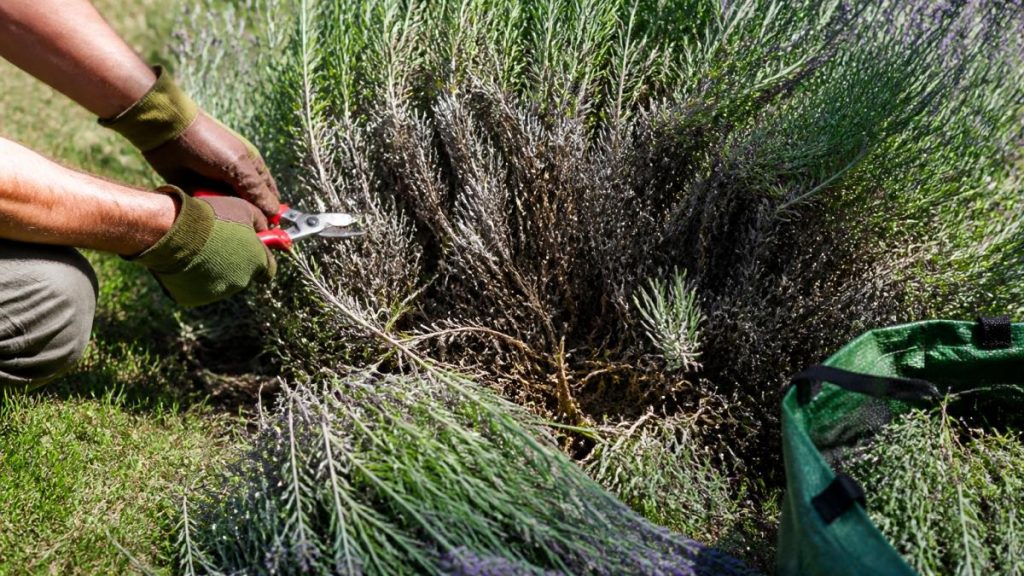
Table of Contents
- Why Overgrown Lavender Needs Pruning
- When to Prune Lavender for Best Results
- Essential Lavender Pruning Tools
- Step-by-Step: How to Prune Overgrown Lavender Bushes
- How to Prune Woody Lavender Back to Life
- Lavender Care After Pruning
- Common Mistakes to Avoid When Pruning Lavender
- Frequently Asked Questions
Last Updated: 20 October 2026
Why Overgrown Lavender Needs Pruning
Overgrown lavender bushes stop flowering and become woody, leggy, and unattractive. When lavender grows too large without pruning, the plant directs energy into maintaining old wood rather than producing new blooms. The centre of the bush dies back. Flowering diminishes dramatically.
Pruning overgrown lavender encourages fresh growth from the base. It rejuvenates tired plants and restores their natural shape. Regular pruning keeps lavender compact, bushy, and packed with flowers.
Many homeowners assume their overgrown plants are beyond saving. They’re not. Even severely woody lavender responds well to hard pruning if you follow the right approach.
Without pruning, lavender becomes a liability. The plant weakens. Pests and diseases find their way in. Your garden loses the fragrance and visual appeal that makes lavender so valuable.
The best time to prune overgrown lavender is late summer or early autumn. This timing allows the plant to recover before winter while new growth hardens off before frost arrives.
When to Prune Lavender for Best Results
Timing matters far more than most gardeners realise. Prune overgrown lavender at the wrong time and you risk killing it entirely.
Late summer to early autumn is ideal. This window, typically August through September, gives the plant time to recover and establish new growth before winter sets in. The plant has enough warmth and daylight to heal quickly.
Never prune lavender in spring. Spring pruning triggers tender new growth that frost will damage. Winter pruning leaves fresh cuts exposed to cold, wet weather, inviting rot and disease.
Avoid heavy pruning in late autumn or winter. The plant cannot recover quickly enough. Frost will kill back the new shoots you’ve worked to create.
Light tidying can happen in early summer after flowering ends. Remove dead flowers and tidy the shape. Save hard pruning for late summer.
Prune overgrown lavender in late summer or early autumn for best results. This timing allows recovery before winter and prevents frost damage to new growth.
Essential Lavender Pruning Tools
You need proper tools to prune overgrown lavender safely and effectively. Blunt or damaged tools tear the plant and invite disease.
Quality secateurs are essential. Look for bypass secateurs, they cut cleanly by passing one blade past another, like scissors. Anvil secateurs crush stems and damage the plant. Secateurs should feel comfortable in your hand and cut with minimal effort.
A pruning saw helps with very thick, woody stems. Hand saws work best for precision. They let you control the cut and avoid damaging nearby growth.
Loppers extend your reach and provide extra use for thicker branches. They’re valuable if your lavender is very dense or tall.
Thick gardening gloves protect your hands from rough woody stems and sharp edges. Lavender stems can be surprisingly prickly.
Eye protection shields your eyes from debris as you cut. Wear safety glasses, especially when working overhead.
Keep all tools clean and sharp. Wipe blades with a cloth before and after use. Sharpen secateurs regularly, dull tools damage plants. Oil wooden handles to prevent cracking.
Step-by-Step: How to Prune Overgrown Lavender Bushes
This is where the real work happens. Pruning overgrown lavender requires patience and a clear method. Rush the job and you’ll damage the plant.
Assessing the Damage
Before you cut anything, examine your lavender carefully. Look at the overall shape and structure. Identify which parts are dead wood and which are still living.
Dead wood looks grey, brittle, and hollow inside. Living wood is green or brown with a solid core. Gently scratch the stem with your fingernail, living wood shows green beneath the bark.
Check how much of the plant is still actively growing. If more than two-thirds of the plant is dead wood, you’re dealing with severe overgrowth. This needs hard pruning. If only the outer layer is overgrown, lighter pruning works.
Look for any signs of disease or pest damage. Diseased wood should come out completely. Healthy stems can be retained and shaped.
If the entire centre of the bush is dead and only thin growth remains around the edges, the plant may be beyond saving. Lavender cannot regrow from completely bare wood. If you can’t find any green growth at the base, consider replacing the plant.
The Pruning Process
Step 1: Remove dead wood completely. Cut out all grey, brittle, hollow stems. Cut them back to the base or to where you find green growth. Use your saw for thick dead wood. Don’t leave stubs, these invite disease.
Step 2: Cut back living wood by one-third to one-half. This is the hardest part for many gardeners, it feels extreme. But lavender regrows from hard pruning. Cut just above where you see new green growth or buds forming. Make cuts at a slight angle to shed water.
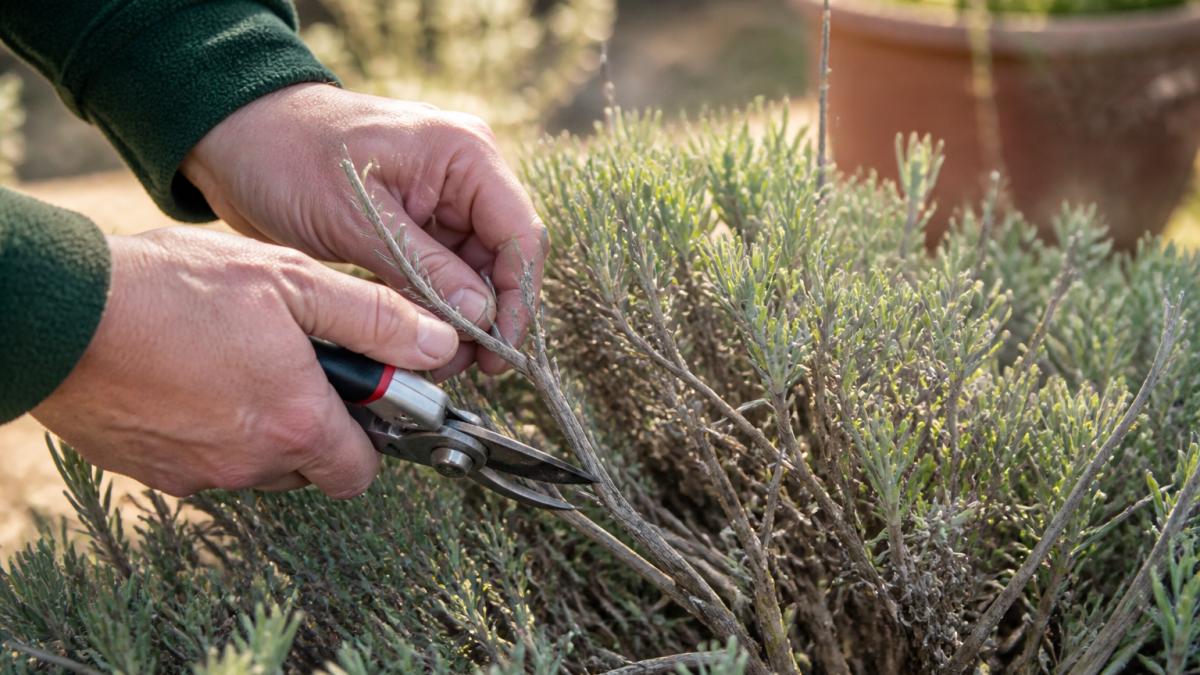
Step 3: Shape the plant as you go. Stand back regularly. Look at the overall form. Cut more from one side if it’s lopsided. Aim for a natural, rounded shape, not a formal ball.
Step 4: Thin out crowded growth. Remove stems that cross over others or grow inward toward the centre. This improves air circulation and reduces disease risk.
Step 5: Leave some flowering stems. If your lavender has flowers, leave a few stems with blooms. These show you where the plant is still vigorous. Don’t remove all flowers at once.
Step 6: Step back and check your work. The plant should look noticeably smaller. You should be able to see into the centre. The overall shape should be balanced and natural.
How to Prune Woody Lavender Back to Life
Woody lavender, the kind with thick, bare stems and sparse growth, needs aggressive pruning to recover. This is different from routine maintenance pruning.
Cut back hard. Reduce the plant to one-third of its original size. This sounds drastic, but it works. Remove all the dead-looking wood and cut living stems back to 15-20 centimetres from the ground. You’re essentially resetting the plant.
Wait two to three weeks. New green shoots will emerge from the base and along the stems where you made cuts. This is the plant recovering. Don’t panic if nothing appears immediately, lavender is slow to respond.
Once new growth reaches 10 centimetres tall, you can remove any remaining dead wood and tidy the shape. The plant will be noticeably bushier and more compact.
Woody lavender may not flower heavily in the year after hard pruning. That’s normal. The plant is rebuilding its strength. By the following year, flowering returns to normal.
If your lavender is very old and woody, consider replacing it. Some plants reach the end of their useful life. A new plant often outperforms a struggling veteran. Lavender typically lasts 8-10 years before decline becomes inevitable.
Lavender Care After Pruning
Pruning is only half the battle. Aftercare determines whether your lavender thrives or struggles.
Water carefully. Freshly pruned lavender needs moisture to support new growth. Water deeply once after pruning. Then let the soil dry between waterings. Lavender hates waterlogged conditions, too much moisture invites root rot.
Don’t fertilise immediately. Wait at least four weeks after hard pruning before feeding. The plant needs time to establish new roots and shoots. Feeding too early can damage tender new growth.
Protect from harsh weather. If frost arrives within a few weeks of pruning, provide shelter. Drape horticultural fleece over the plant on cold nights. Once new growth hardens off, remove the protection.
Mulch around the base. Add a thin layer of gravel or grit around the plant. This improves drainage, keeps the soil cool, and prevents weeds. Don’t pile mulch against the stems, this causes rot.
Monitor for pests and disease. Pruned plants are slightly stressed. Check regularly for signs of problems. Remove any diseased growth immediately.
Prune again next year. Once your lavender has recovered, maintain it with light pruning each year. This prevents it from becoming overgrown again. Annual pruning takes 20 minutes. Recovering from neglect takes months.
Common Mistakes to Avoid When Pruning Lavender
Learning what not to do saves time and heartache.
Pruning at the wrong time. Spring and winter pruning kills lavender. Stick to late summer and early autumn. This is the single most common mistake.
Cutting into bare wood. Lavender cannot regrow from completely woody, leafless stems. Always cut back to where you see green growth or buds. If you can’t find any green growth, stop, the plant may be dead.
Leaving too much old wood. Many gardeners prune too lightly, thinking they’re being gentle. The plant stays woody and doesn’t rejuvenate. Be bold. Cut back by one-third to one-half of the plant’s size.
Using blunt tools. Dull secateurs tear stems instead of cutting cleanly. Torn stems invite disease. Keep your tools sharp and clean.
Overwatering after pruning. Newly pruned lavender is vulnerable to rot. Water once deeply, then let the soil dry. This is crucial.
Fertilising too soon. Fresh pruning wounds are sensitive. Wait at least a month before feeding the plant. Feeding too early stresses new growth.
Pruning in heavy rain. Wet conditions after pruning increase disease risk. Choose a dry day. The cut surfaces need to dry quickly.
Giving up too soon. Lavender is slow to respond to hard pruning. Don’t assume the plant is dead if nothing happens in the first two weeks. Give it six to eight weeks before deciding it won’t recover.
Pruning overgrown lavender transforms a struggling plant into a thriving one. The process takes a few hours and requires confidence to cut hard enough. But the results justify the effort. Your lavender will reward you with fuller growth, better flowering, and years of continued beauty. If you’re uncertain about tackling this yourself or prefer expert guidance, TLC Gardening offers professional garden maintenance services. Get a quote today and let us help restore your garden to its best.
Frequently Asked Questions
When is the best time to prune overgrown lavender?
Prune overgrown lavender in late summer (August to September) after flowering, or in early spring (March to April) before new growth emerges. Avoid pruning in autumn or winter, as frost can damage fresh cuts. For severely overgrown bushes, a gentle spring tidy-up followed by a more substantial summer prune works well. Always check your local conditions, as timing varies slightly depending on your region’s climate.
How far back can you cut an overgrown lavender bush?
Cut back to where you see green growth on the stems, typically 5-8 centimetres from the base for moderately overgrown plants. Never cut into completely brown, woody sections with no green foliage, as lavender rarely regrows from bare wood. For severely overgrown bushes, remove up to one-third of the plant’s height in the first year, then continue shaping over subsequent seasons. This gradual approach encourages recovery without shocking the plant.
Can woody lavender be brought back to life?
Woody lavender can recover if there’s green growth somewhere on the stems. Focus pruning on areas with visible foliage and remove dead wood entirely. However, if the entire plant has turned brown with no green shoots, it’s unlikely to recover and replacement is usually the better option. Improve soil drainage and reduce watering to prevent woodiness in future, as overly wet conditions accelerate this problem. Consistent annual pruning also prevents severe woodiness from developing.
What should you do with lavender after pruning?
Water gently after pruning to settle the soil, but avoid overwatering as lavender prefers dry conditions. Apply a thin layer of grit or gravel around the base to improve drainage and prevent moisture sitting at the crown. Hold off on fertilising for 4-6 weeks; lavender thrives in poor soil and excess nutrients encourage soft growth. Monitor the plant for new shoots over the following weeks. Once new growth appears (usually within 2-3 weeks), resume your normal watering schedule, keeping it minimal.