
Table of Contents
- Can You Grow Wildflowers in Shade Conditions?
- Wildflowers for Partial Shade
- Wildflowers for Full Shade
- How to Sow Wildflower Seeds in Shade
- Preparing Your Soil for Shade Wildflowers
- Wildflowers for Dry Shade
- Caring for Shade Wildflowers Through the Year
- Common Mistakes to Avoid
- Frequently Asked Questions
Last Updated: October 16, 2026
Can You Grow Wildflowers in Shade Conditions?
Yes, you absolutely can grow wildflowers in shade conditions. Many people assume wildflowers need full sun, but that’s only part of the story. Shade-tolerant wildflowers thrive in woodland gardens, beneath trees, and along shaded borders. At TLC Gardening, we specialise in creating pollinator-friendly and wildflower habitats, ensuring properties across Oxford and Oxfordshire remain pristine and vibrant.
The key is choosing the right species for your shade level. Some wildflowers prefer dappled, partial shade. Others flourish in deep, full shade. Understanding this distinction changes everything about what you can grow. Your soil type, moisture levels, and the specific shade patterns in your garden also matter significantly.
Shade gardening isn’t a compromise, it’s an opportunity. Shade-loving wildflowers often flower at different times than sun-loving varieties, extending your garden’s blooming season. They also tend to need less watering once established, which suits busy homeowners perfectly.
Wildflowers for Partial Shade
Partial shade means your garden receives 3-6 hours of direct sunlight daily, or dappled light throughout the day (Shade Gardening Tips and Plant Ideas). This is the sweet spot for many native wildflowers.
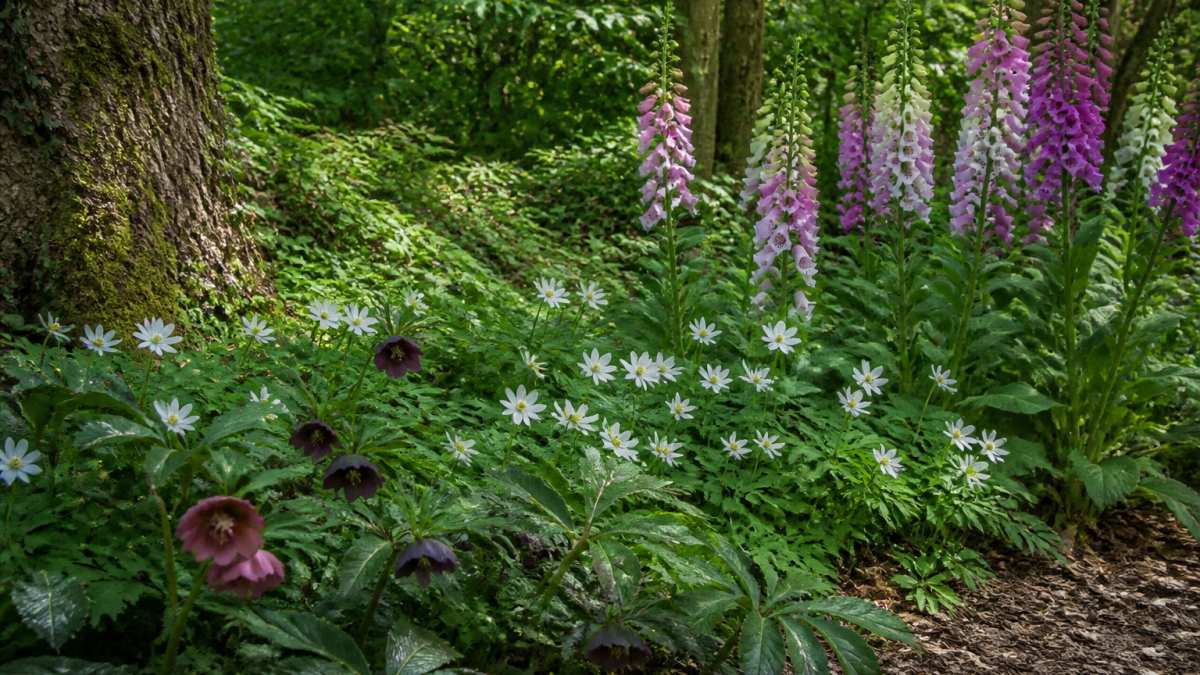
Wood anemones are spring treasures that carpet woodland floors. These delicate white flowers bloom from February onwards and spread gradually to create natural-looking drifts. They prefer cool, moist soil and will happily settle under deciduous trees.
Foxgloves are tall, dramatic flowers that thrive in partial shade. They reach 1-1.5 metres tall and produce pink, purple, or white spikes of tubular flowers. Bees and other pollinators love them. Foxgloves are biennial, meaning they grow leaves in year one and flower in year two.
Hellebores (Christmas roses) flower in winter when little else blooms. They’re evergreen, so they provide structure in your garden year-round. Their nodding flowers come in cream, green, pink, and burgundy shades.
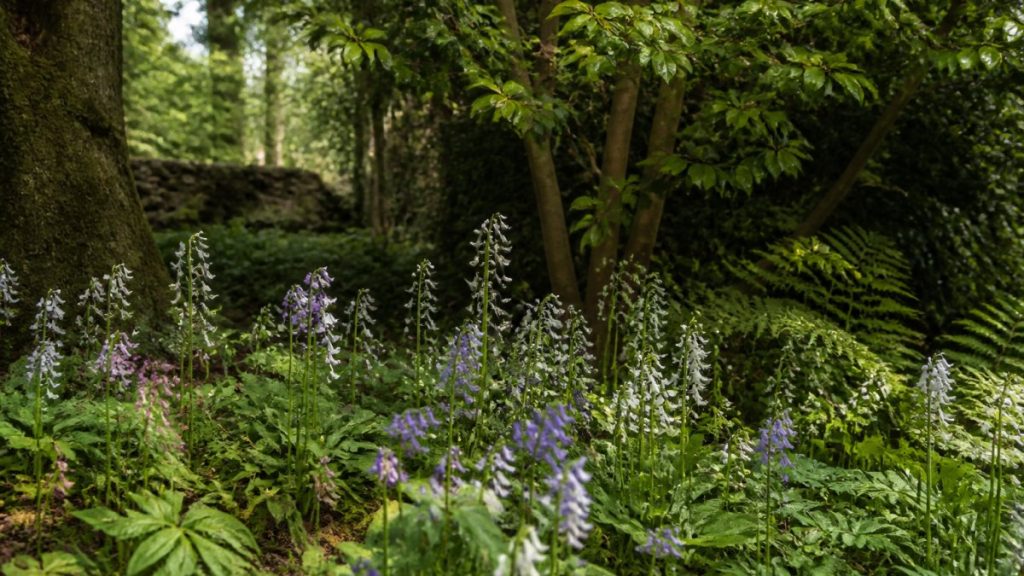
Bluebells create stunning displays under trees. Native bluebells flower in May with violet-blue bell-shaped flowers. They naturalise well, spreading gradually to form dense carpets. Avoid Spanish bluebells, which can outcompete native varieties.
Primroses are cottage garden classics that flower in early spring. Yellow, pink, and cream varieties all perform well in partial shade. They’re low-growing (20-30 cm) and perfect for edging borders.
Wildflowers for Full Shade
Full shade means less than 3 hours of direct sunlight, or only bright indirect light. This is challenging territory, but several native wildflowers manage it beautifully.
Lily of the valley spreads via underground rhizomes to create fragrant white flower carpets. The delicate bells appear in May and June. This plant is vigorous, give it space or it will dominate.
Solomon’s seal produces graceful arching stems with white bell-shaped flowers hanging beneath. It reaches 60-90 cm tall and flowers in May. The foliage remains attractive all season.
Astilbe creates feathery plumes of tiny flowers in pink, red, or white. The ferny foliage is ornamental even without flowers. Astilbe prefers moist soil, so it’s ideal near shade from buildings or dense tree canopies.
Coral bells (Heuchera) offer coloured foliage in burgundy, purple, or bronze alongside delicate flower spikes. They’re semi-evergreen and add winter interest. Flowers appear in late spring.
Epimedium (fairy wings) produces heart-shaped leaves and tiny spurred flowers in yellow, pink, or white. It spreads slowly to form ground cover. The foliage often colours beautifully in autumn.
The reality with full shade is this: growth will be slower, and flowering may be less prolific. But these plants will establish and flower reliably if you choose species adapted to deep shade.
How to Sow Wildflower Seeds in Shade
Sowing wildflower seeds in shade requires different timing and preparation than sun-loving varieties. Many shade wildflowers need a period of cold before they’ll germinate, this mimics winter in nature.
Timing matters. Sow seeds in autumn (September to November) so they experience winter cold naturally. This works for bluebells, wood anemones, and hellebores. Spring sowing is possible but less reliable for shade varieties.
Prepare your soil first. Remove existing vegetation, weeds, and debris. Loosen the top 5-10 cm of soil with a fork. Shade soil often becomes compacted and depleted. Add compost or well-rotted leaf mould to improve structure and drainage. Shade areas tend to stay wetter, so good drainage prevents seed rot.
Sow seeds thinly. Scatter seeds evenly across the prepared area. Press them gently into the soil so they make contact with earth. Don’t bury them, most wildflower seeds need light to germinate. A light rake or your hand works well.
Water carefully. Water the area gently after sowing. Keep soil consistently moist but not waterlogged through autumn and winter. Once spring growth begins, reduce watering unless conditions are very dry.
Be patient. Shade wildflowers often take longer to establish than sun-loving varieties. Some seeds germinate in spring, others wait until the following year. This patience pays off, established shade wildflower patches become self-sustaining.
Preparing Your Soil for Shade Wildflowers
Shade soil is often poor, compacted, and depleted by tree roots or building foundations. Proper soil preparation determines whether your wildflowers thrive or struggle.
Test your soil first. Shade soil tends toward clay or silt, heavy textures that hold water. Check drainage by digging a hole 30 cm deep, filling it with water, and observing how quickly it drains. If water remains after 24 hours, drainage is poor and you’ll need to improve it.
Add organic matter. This is non-negotiable. Work 5-10 cm of compost, leaf mould, or well-rotted manure into the top 15-20 cm of soil. Organic matter improves drainage in clay soil and increases water retention in sandy soil. It also feeds soil life, the microorganisms that support plant growth.
Improve drainage if needed. If your soil is heavy clay, consider raised beds or mounding. This lifts plants above waterlogged conditions. Alternatively, add coarse sand or grit to improve structure, though this requires thorough mixing.
Adjust pH if necessary. Most shade wildflowers prefer neutral to slightly acidic soil (pH 6-7). If your soil is very alkaline, add sulphur. If very acidic, add lime. However, many native wildflowers tolerate a range, so this is often a minor adjustment.
Remove competing roots. Tree roots can starve wildflowers of water and nutrients. If you’re planting near established trees, dig planting holes where tree roots are thinner. Or create a barrier with landscape fabric to protect young wildflowers during establishment.
Wildflowers for Dry Shade
Dry shade is the toughest challenge. This occurs under evergreen trees, near building foundations, or in rain shadows. Soil receives little water and little light.
Epimedium tolerates dry shade remarkably well. Once established, it needs minimal watering. The foliage remains attractive year-round.
Hellebores handle dry shade, especially after their first year. They’re deep-rooted and find moisture others miss.
Ivy (Hedera helix) is technically a wildflower and thrives in dry shade. It climbs or spreads as ground cover. Flowers appear in autumn, feeding late pollinators.
Geranium (hardy cranesbill) species manage dry shade. They’re vigorous and flower reliably. Pink or purple blooms appear from May onwards.
The honest truth: dry shade is limiting. You’ll have fewer options and slower growth. But these plants will succeed where others fail. Building soil health with organic matter helps enormously, even in dry shade, better soil holds moisture and supports roots.
Caring for Shade Wildflowers Through the Year
Shade wildflowers need different care rhythms than sun-loving plants. Understanding the seasons keeps them healthy and flowering reliably.
Spring (March-May): This is peak growth season. Emerging shoots need consistent moisture. Water during dry spells. Mulch around plants with 2-3 cm of compost or leaf mould, this conserves moisture and feeds the soil. Remove any winter-damaged foliage from evergreen species.
Summer (June-August): Most shade wildflowers are flowering or setting seed now. Water deeply during dry periods, but let the soil dry slightly between waterings. Deadhead spent flowers to encourage more blooms, unless you want seeds to self-sow. Reduce watering as plants enter dormancy in late summer.
Autumn (September-November): This is planting and sowing season. Cut back dead foliage from deciduous species. Leave evergreen foliage intact. Apply a fresh 2-3 cm mulch layer. Allow fallen leaves to remain, they protect soil and feed it as they break down.
Winter (December-February): Most shade wildflowers are dormant. Water only during extended dry spells. Avoid walking on frozen or waterlogged soil, this compacts it. Hellebores and winter-flowering species will bloom now, providing colour and food for early pollinators.
Common Mistakes to Avoid
Choosing sun-loving species. This is the biggest mistake. Poppies, cornflowers, and other classic wildflowers need full sun. Planting them in shade guarantees disappointment. Match species to your actual light conditions.
Overwatering. Shade soil stays wetter naturally. Overwatering causes root rot and fungal disease. Water only when soil feels dry 2-3 cm below the surface. This is especially critical for Mediterranean species like hellebores.
Planting too densely. Shade reduces air circulation, encouraging mildew and disease. Space plants further apart than you would in sun. This feels sparse initially, but plants need room to grow.
Neglecting soil preparation. Poor soil is the second biggest mistake. Shade soil is often depleted and compacted. Investing in soil improvement now pays dividends for years. Don’t skip this step.
Expecting instant results. Shade wildflowers establish more slowly than sun-lovers. Give them at least two growing seasons before judging success. Many species flower better in year two and beyond once established.
Forgetting about mulch. Mulch is essential in shade. It protects soil, conserves moisture, feeds soil life, and suppresses weeds. Refresh mulch annually in autumn.
Growing wildflowers in shade conditions transforms garden spaces that many homeowners consider unusable. The challenge isn’t whether it’s possible, it’s choosing the right species and preparing your soil properly. This is where professional expertise makes the difference. At TLC Gardening, we specialise in creating pollinator-friendly shade gardens across Oxford and Oxfordshire. We handle soil preparation, species selection, and ongoing maintenance so your shaded areas flourish with native wildflowers that support local bees and butterflies. Get a quote from TLC Gardening today.
Frequently Asked Questions
Can wildflowers grow in full shade?
Yes, but only specific shade-tolerant varieties will thrive. Species like wood anemones, hellebores, and sweet woodruff flower reliably in full shade (less than 2 hours of direct sun). Most wildflower mixes are designed for sunnier spots, so choosing the right varieties is essential. Full shade is more limiting than partial shade, but many native plants prefer these conditions naturally.
Which wildflowers grow best in partial shade?
Foxgloves, primroses, wood anemones, bluebells, and cow parsley all perform well in partial shade (2-4 hours of sun). These species flower reliably and spread naturally over time. Partial shade is often the easiest option for wildflower growing, as it suits a broader range of plants than either full sun or deep shade. These flowers also attract pollinators effectively.
When should you sow wildflower seeds in a shady garden?
Autumn (September to November) is ideal for most shade wildflowers, as they need a period of cold to break dormancy. Spring sowing (March to May) works for some varieties, but autumn-sown seeds establish stronger root systems before flowering. Check individual seed packet instructions, as timing varies by species. Autumn sowing also mimics how wildflowers naturally spread in woodlands.
How do you prepare soil for wildflowers in shade?
Remove competing weeds and grass thoroughly, then lightly rake the soil to create good seed contact. Most shade wildflowers prefer reasonably fertile soil (unlike sun-loving wildflowers), so avoid heavily depleting nutrients. Add compost if the soil is compacted or poor. Keep the area moist but not waterlogged after sowing, especially in dry shade under trees where rainfall is limited.