
Table of Contents
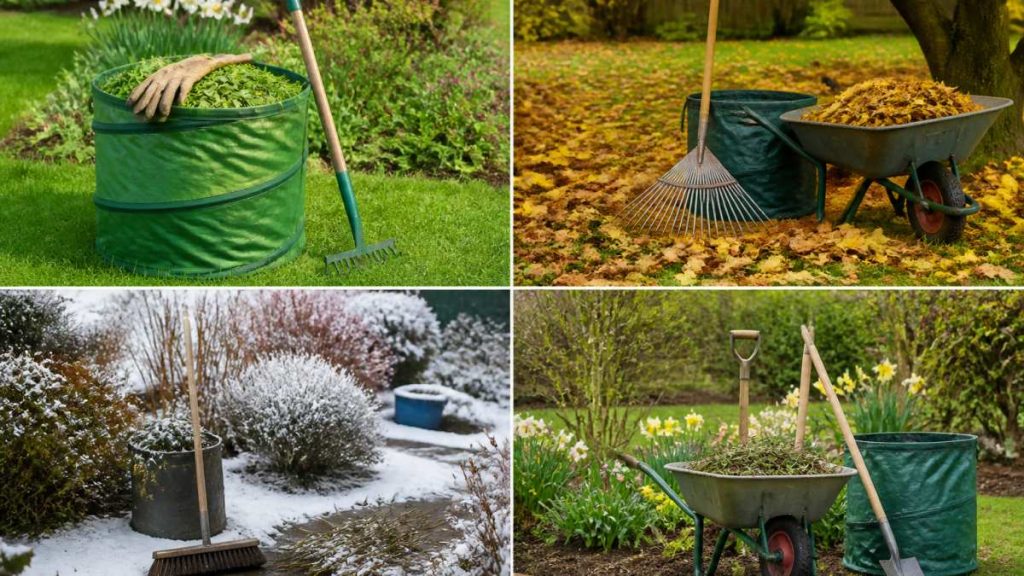
- Why Seasonal Garden Clean Up Matters All Year Round
- Spring Garden Clean Up: Waking Your Garden After Winter
- Summer Garden Clean Up: Maintaining Growth and Supporting Pollinators
- Autumn Garden Clean Up: Preparing for Dormancy
- Winter Garden Clean Up: Protecting Structure and Wildlife
- Essential Garden Tools for Seasonal Clean Up
- Best Time for Garden Pruning UK: A Seasonal Guide
- How to Manage Overgrown Garden Spaces
- Frequently Asked Questions
Last Updated: October 3, 2026
Why Seasonal Garden Clean Up Matters All Year Round
Seasonal garden clean up is the practice of clearing, cutting back and protecting your garden at the right points in the year, rather than leaving everything to one frantic weekend. Get the timing right and plants come back stronger. Get it wrong and you spend the next season fixing damage.
Gardens that get a little attention each season stay healthy. Gardens left alone for months need a full rescue job by spring.
Here’s the thing most guides get wrong: they treat clean up as tidying. It isn’t. It’s maintenance, and each season asks for something different.
- Spring: clear winter debris and wake up new growth
- Summer: keep growth in check and support pollinators
- Autumn: cut back and prepare for dormancy
- Winter: protect structure and wildlife
Below, we’ll walk through what to do in each season, which tools you actually need, and when to prune. The Royal Horticultural Society’s seasonal pruning guidance is a good back-up reference if you want to check a specific plant.
A garden cleaned up at the right moment in each season needs far less work overall than one tackled in a single big push.
Spring Garden Clean Up: Waking Your Garden After Winter
Spring clean up is about removing what winter left behind without disturbing the new growth underneath. Start when the soil has warmed and the worst of the frost has passed.
Work through the beds first. Dead leaves, old stems and fallen debris all smother bulbs trying to push through.
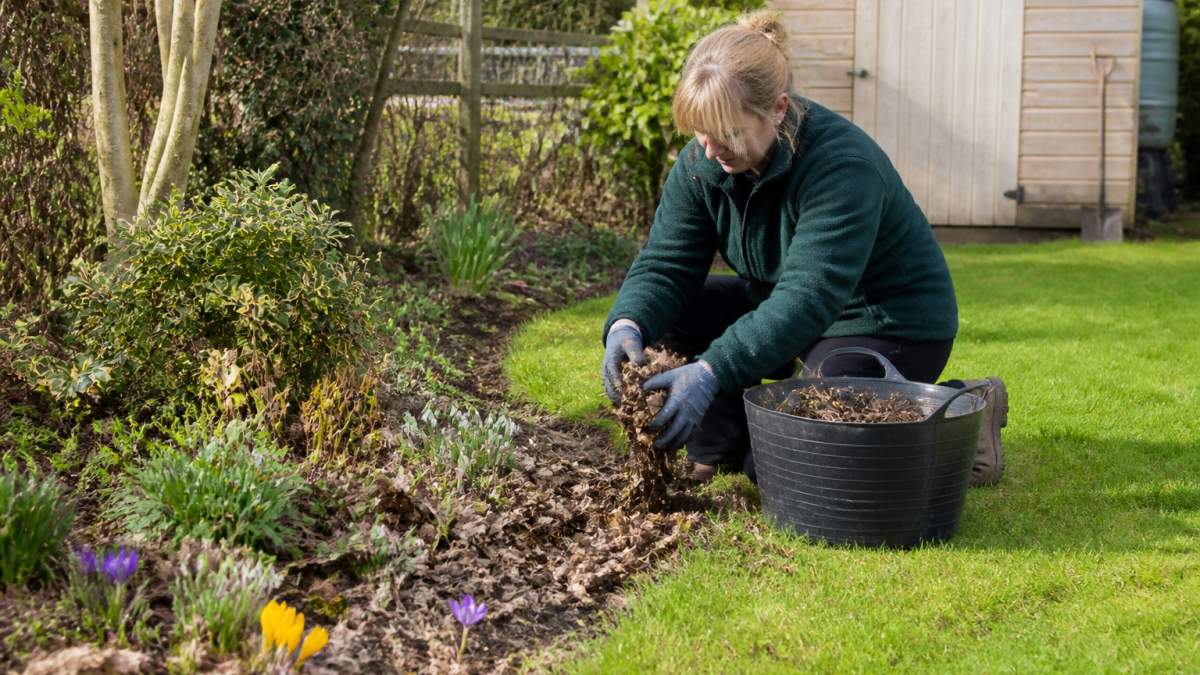
A common mistake is going in too early with the strimmer. New shoots are soft and bruise easily. Hand tools do less damage.
Spring Clean Up Checklist
- Clear dead leaves and debris from beds and borders
- Cut back last year’s growth on perennials
- Weed before seeds set
- Fork over compacted soil without digging deep
- Mulch beds to hold moisture
- Check fences, trellis and supports for winter damage
- Clean and sharpen tools before the busy months
Summer Garden Clean Up: Maintaining Growth and Supporting Pollinators
Summer clean up is mostly about control, not clearing. Everything is growing fast, so your job is to keep it in shape without stripping food and shelter from pollinators.
Leave some flowers to go to seed. Clover in the lawn and open blooms in the borders feed bees and butterflies through the hottest weeks. Cutting everything back hard in June or July leaves them with nothing.
Deadheading is the easy win here. It keeps flowers coming and stops plants putting energy into seed.
Water in the early morning or late evening. Watering at midday wastes most of it to evaporation.
- Deadhead bedding and perennials weekly
- Trim hedges lightly, avoiding nesting birds
- Leave a patch of long grass uncut
- Top up mulch to lock in moisture
- Check for pests before reaching for chemicals
If you want a pollinator-friendly garden that still looks tidy, plant wildflowers in defined beds or borders rather than scattering them. You get the bees and butterflies without the neglected look.
Autumn Garden Clean Up: Preparing for Dormancy
Autumn is the season that decides how your garden looks next spring. Clear fallen leaves, cut back spent growth and get everything ready to sit through the cold.
Leaves are the big job. Left on the lawn, they block light and trap moisture, which invites disease. Rake them up and add them to a leaf-mould pile.
Perennials that have died back can be cut to the ground now. Anything still looking good can stay for winter structure.
This is also the moment to plant spring bulbs. Tulips, daffodils and crocus all need a cold spell to flower well.
- Rake leaves from lawn and borders
- Cut back spent perennials
- Plant spring bulbs
- Move tender plants under cover
- Clean out gutters and drains
- Service the lawnmower before storing
Winter Garden Clean Up: Protecting Structure and Wildlife
Winter clean up is light work with a heavy purpose: protect what’s there and give wildlife somewhere to sit out the cold. Do less than you think.
Leave seed heads on plants like teasel and sedum. They feed birds and add shape to a bare border. Leave piles of leaves and logs in a corner for hedgehogs and insects.
Walk on the lawn as little as possible when it’s frosted. Footfall on frozen grass damages the crown and leaves brown patches that take months to recover.
Prune only what’s needed. Most trees and shrubs are dormant now, which makes it a good window for structural cuts, but frost can split fresh wounds.
- Clear fallen branches after storms
- Check stakes and ties on young trees
- Leave seed heads and leaf piles for wildlife
- Avoid walking on frosted lawns
- Clean and store tools
- Plan next year’s planting
Essential Garden Tools for Seasonal Clean Up
The right tools make seasonal work faster and kinder to your plants. You don’t need much, but you do need the basics in good condition.
| Tool | Best For | Season |
|---|---|---|
| Leaf rake | Clearing leaves from lawn | Autumn |
| Hand trowel | Planting bulbs, weeding beds | Spring, Autumn |
| Bypass secateurs | Cutting live stems up to 2cm | All year |
| Loppers | Branches up to 4cm | Winter |
| Border fork | Aerating and turning soil | Spring |
| Hedge shears | Light trimming and shaping | Summer |
| Leaf blower | Large areas, driveways | Autumn |
Buy fewer, better tools. A sharp pair of secateurs does more than a shed full of blunt ones. Clean blades after each use to stop disease spreading between plants.
Storing tools dirty and damp over winter is the fastest way to ruin them. Rust pits the blades, and a blunt blade tears stems instead of cutting them, which leaves plants open to infection.
Best Time for Garden Pruning UK: A Seasonal Guide
The best time for garden pruning is late winter for most deciduous trees and shrubs, and straight after flowering for spring bloomers. Pruning at the wrong time can cut off the flowers you were waiting for.
The rule that trips people up is this: if a shrub flowers on last year’s growth, prune it after it flowers. If it flowers on this year’s growth, prune it in late winter or early spring.
- Spring-flowering shrubs (forsythia, lilac): prune after flowering
- Summer-flowering shrubs (buddleja, hydrangea): prune in late winter
- Evergreens: light trim in late spring
- Hedges: trim in summer, avoiding nesting season
Never prune in hard frost. Fresh cuts don’t heal and frost can split the wood. Check the RHS pruning guide for plant-specific timing if you’re unsure.
How to Manage Overgrown Garden Spaces
Managing an overgrown garden means working in stages, not trying to fix everything in one weekend. Clear one area, get it stable, then move on. Rushing leads to mistakes you’ll pay for later.
Start by cutting back the obvious growth so you can see what’s underneath. You can’t plan around a space you can’t see.
Then work section by section:
- Clear paths and access points first
- Cut back overgrown shrubs, checking for nests
- Remove weeds and dig out roots where you can
- Assess the soil and light before replanting
- Replant in layers: ground cover, shrubs, then trees
For large or long-neglected plots, a one-off professional clean up often makes more sense than months of weekend work. TLC Gardening handles one-off seasonal clean ups and full garden transformations for homes and property managers across Oxford and Oxfordshire.
Gardens that have been left for a year or more, or larger plots where the work is too much to tackle in stages alone.
Frequently Asked Questions
What is the best time of year for a major garden clean up?
The ideal time for a major seasonal garden clean up is early spring, typically March to April, once the risk of hard frost has passed. This is when you can clear winter debris, cut back dead growth, and prepare beds for new planting. Autumn is the second key window, usually October to November, for clearing fallen leaves and tidying before dormancy. Splitting the work across these two seasons keeps the job manageable and supports plant health.
Should I clear all leaves and debris in autumn or wait until spring?
Clear most fallen leaves in autumn to prevent them smothering lawns and blocking light to border plants. However, leave a small pile in a quiet corner for hedgehogs and insects to shelter in over winter. By spring, remove any remaining debris before new growth emerges. This balanced approach keeps your garden tidy while supporting local wildlife, which is particularly valuable if you are aiming for a pollinator-friendly space.
What essential tools do I need for seasonal garden maintenance?
A core kit includes a digging fork, hand trowel, secateurs, loppers, a lawn rake, a leaf blower or rake, a wheelbarrow, and sturdy gloves. For larger gardens or overgrown spaces, a brushcutter and hedge trimmer save considerable time. Store tools clean and dry after each use to prevent rust. If you lack storage or prefer not to buy equipment, a professional service brings everything needed for a thorough seasonal garden clean up.
How can I maintain a garden that supports local wildlife?
Leave seed heads on perennials through winter for birds, avoid cutting hedges during nesting season (March to August), and plant pollinator-friendly flowers like lavender, foxgloves, and wildflower mixes. Create a small log pile or leaf mound as shelter. Timing your seasonal garden clean up to avoid disturbing active nests or hibernating creatures makes a real difference. A professional gardener familiar with local wildlife can advise on the best schedule for your garden.
An overgrown or neglected garden rarely fixes itself, and the longer it’s left, the more work it takes to bring back. TLC Gardening offers regular maintenance slots and one-off seasonal clean ups, with pollinator-friendly planting and wildflower creation built in. As a family-run team, we keep gardens across the area looking their best without you lifting a finger. Get a quote from TLC Gardening and let us handle the seasons for you.