Table of Contents
- Wildflower Meadow Creation Cost: What Actually Drives the Price
- Professional Site Preparation: The Biggest Line in the Quote
- Seeding, Plug Planting or Turf: Which Method Fits Your Budget
- Wildflower Meadow Maintenance Costs After Year One
- Can You Grow Wildflowers in Shade Conditions?
- Wildflower Meadow Establishment Timeline: Year by Year
- Is Professional Creation Worth It Compared With DIY?
- Frequently Asked Questions
Last Updated: October 2, 2026
Wildflower Meadow Creation Cost: What Actually Drives the Price
The professional wildflower meadow creation cost is driven by three things: how much ground preparation the site needs, which seed or planting method you choose, and how long you commit to aftercare. There is no single figure, because a half-acre of tired lawn and a steep, weed-covered bank are entirely different jobs. This guide from TLC Gardening breaks down each cost driver, so you can read a quote and understand exactly what you are paying for.
Most quotes look similar at a glance. They rarely are. Two contractors can price the same plot very differently because one has allowed for proper groundworks and the other has not.
Site Preparation and Groundworks
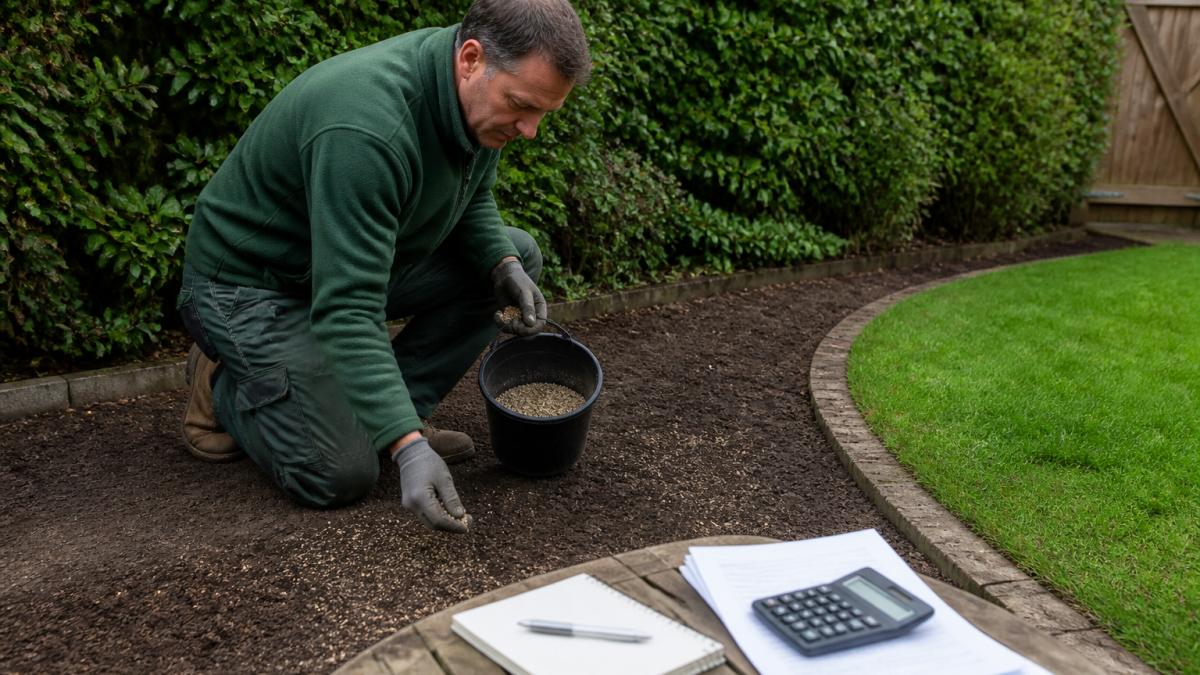
Site preparation is usually the largest single line in any quote. Wildflowers need low-fertility, weed-free ground, and getting there takes machinery, time, and often several passes.
Stripping turf, removing topsoil, and repeated cultivation to exhaust the existing seed bank all add cost. A flat, clean lawn is the cheapest starting point. Slopes, heavy clay, and established weeds push the price up sharply.
Seed Mixes, Plug Plants and Green Hay
Seed mixes are the cheapest material option, plug plants cost more but establish faster, and green hay sits between the two. The method you pick changes both the upfront price and how quickly you see a meadow.
Professional Site Preparation: The Biggest Line in the Quote
A common mistake is assuming the visible work, the sowing, is where the money goes. It is not. Ground preparation typically accounts for the bulk of a professional wildflower meadow creation cost, because everything else depends on it.
There are three broad approaches:
- Full topsoil stripping removes fertility and the weed seed bank in one go. It is the most reliable and the most expensive.
- Repeated cultivation exhausts weeds over several months with less soil disturbance. Cheaper, but slower.
- Herbicide-free smothering uses black sheeting or heavy mulching to starve weeds of light. Good for smaller plots and organic schemes.
What most guides miss is that skipping this stage is the single most common reason a meadow fails. Seed sown onto fertile, weedy ground will be outcompeted within a season.
Sowing wildflower seed straight onto existing lawn or enriched soil almost always fails. The grasses and weeds outcompete the wildflowers, and you end up paying twice: once for the seed, once to start again properly.
Seeding, Plug Planting or Turf: Which Method Fits Your Budget
Each establishment method trades upfront cost against speed and reliability. The right choice depends on your patience and your plot.
| Method | Upfront Cost | Establishment Speed | Best For |
|---|---|---|---|
| Seed mix | Lowest | Slow (2-3 years) | Large areas, tight budgets |
| Plug plants | Highest | Fast (first season) | Small plots, visible results |
| Green hay | Mid-range | Medium | Sites near a donor meadow |
| Meadow turf | High | Immediate | Instant impact, small areas |
Seed suits anyone with space and time. Plug planting suits smaller gardens where you want colour quickly. Green hay works well if a species-rich donor meadow is nearby, and turf gives instant results at a premium.
Wildflower Meadow Maintenance Costs After Year One
Wildflower meadow maintenance costs are lower than a formal lawn, but they are not zero. The first year is about establishment; after that, an annual cut and remove is the core task.
A single late-summer cut, with the cuttings raked off, keeps fertility low and stops grasses dominating. Some schemes need a second cut in early spring. Skipping the removal of cuttings is a frequent error: leaving them to rot feeds the soil and encourages the very grasses you are trying to hold back.
Always remove the cuttings after mowing a meadow. Leaving them in place adds nutrients, and wildflowers thrive on poor soil. It is the difference between a species-rich meadow and a patch of coarse grass.
Can You Grow Wildflowers in Shade Conditions?
Yes, you can grow wildflowers in shade conditions, but the species list changes. Woodland and hedgerow mixes are built for dappled light, while classic meadow mixes need full sun.
The limiting factor is light, not soil. A north-facing border or the strip beneath a mature tree will never support a sun-loving meadow mix, no matter how well you prepare the ground. Choose shade-tolerant species instead, and expect a slower, looser result.
- Dappled shade: woodland edge and hedgerow mixes
- Deep shade: very limited options, mostly foliage and spring bulbs
- Part shade: a reduced meadow mix, sown more thinly
Matching the mix to the light is the whole game here.
Wildflower Meadow Establishment Timeline: Year by Year
The wildflower meadow establishment timeline runs across roughly three years before the planting looks settled. Understanding it stops you judging the result too early.
- Year one: germination and early growth. Expect sparse, weedy-looking ground. This is normal.
- Year two: wildflowers begin to show, but grasses still dominate. Keep cutting and removing.
- Year three: the meadow reaches a balance, with wildflowers competing well and colour improving each season.
The first year is the one that tests patience. Many people give up in month four, when the plot looks worse than the lawn it replaced.
Is Professional Creation Worth It Compared With DIY?
Professional creation is worth it when the site needs real groundworks, when you want a reliable result, or when you simply do not have the time. DIY saves money only if you can commit to months of preparation and aftercare.
The material cost of seed is modest. The cost of doing it twice, because the ground was not prepared properly, is not. That is where professional help earns its place.
At TLC Gardening, we specialise in pollinator-friendly planting and wildflower creation, and we time our maintenance with local wildlife in mind. For busy homeowners across the area, we handle the preparation, sowing, and the annual cut that keeps a meadow healthy, on a regular schedule you do not have to manage.
Frequently Asked Questions
Is it cheaper to seed or plug plant a wildflower meadow?
Sowing seed is the cheaper route and suits larger areas, but results vary with weather and soil. Plug plants cost more per square metre because they are raised individually and planted by hand, yet they establish faster and are more reliable on tricky ground or where you want specific species. Many projects use a mix: seed for the bulk of the meadow and plugs to anchor key areas. Ask for a quote that separates the two so you can see the difference.
How much does professional site preparation cost for wildflower meadows?
Site preparation is usually the largest part of any quote because it involves clearing existing vegetation, removing turf, correcting soil fertility and creating a fine seed bed. The figure depends on the size of the area, how established the current growth is, access for machinery and whether drainage needs attention. Pricing depends on the site, so ask for a survey and a written breakdown rather than a single lump sum.
Do wildflower meadows require annual maintenance costs?
Yes. A meadow is not a no-maintenance option. Expect an annual cut in late summer once seed has dropped, removal of the cuttings so fertility falls, and usually a second lighter cut in autumn or early spring. Some sites need spot weeding of dominant grasses or invasive species. These visits are recurring, so factor them into your budget from the start rather than treating them as optional.
How long does it take for a professional wildflower meadow to establish?
Most meadows show their first meaningful flowering in the second summer after sowing, with the mix settling into a stable balance of grasses and flowers by years three to five. Plug-planted areas can flower in the first year. Yellow rattle, often sown to weaken grass, usually needs a full season to take hold. Plan for a three-year view and judge success on the trend, not on one season.
Turning a lawn into a wildflower meadow is a multi-year commitment, and the preparation is what decides whether it works. If you want it done properly the first time, TLC Gardening offers expert wildflower creation, pollinator-friendly planting, and reliable maintenance timed around local wildlife. Get a quote from TLC Gardening and start your meadow with a team that knows the ground.