
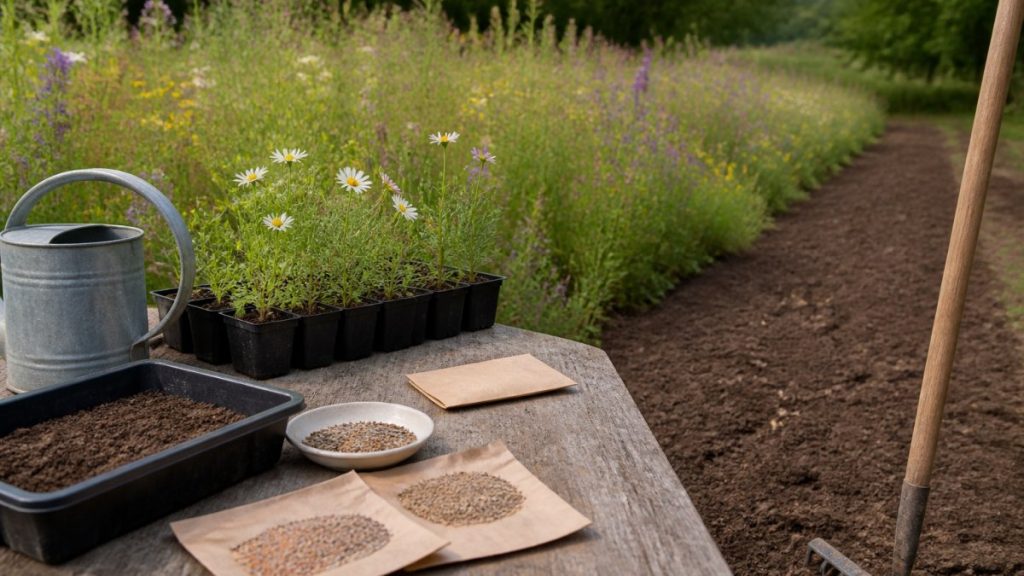
Last Updated: October 24, 2026
Quick Summary
To create wildflower meadows, remove existing vegetation thoroughly, prepare bare soil over approximately 50% of the area, then sow quality seed suited to your region and soil type in autumn or spring. Maintain your meadow with one late-summer cut annually, removing cuttings to keep soil fertility low and allow wildflowers to thrive.
- Wildflowers need at least six hours of direct sunlight daily and prefer poor to moderately fertile soil
- Remove existing grass using digging, solarisation, herbicide, or aggressive scarification before sowing seeds
- Sow in autumn (September to November) or spring (March to May), with autumn sowing generally more reliable in the UK
- Cut your meadow once yearly in late summer (August to September) and remove all cuttings to prevent grass dominance
- Expect a patchy first year; most wildflowers take two years to flower from seed, with dramatic improvement in year two
Table of Contents
- Why Create a Wildflower Meadow
- How to Turn a Lawn into a Wildflower Meadow
- When to Sow Wildflower Seeds
- Choosing the Right Wildflower Meadow Seed Mix
- Sowing and Establishing Your Meadow
- How to Maintain a Wildflower Meadow
- Common Mistakes to Avoid
- Frequently Asked Questions
Why Create a Wildflower Meadow
Creating a wildflower meadow transforms your garden into a thriving ecosystem. It supports bees, butterflies, and other pollinators that your garden needs. Beyond the wildlife benefits, a meadow adds natural beauty and colour to your outdoor space.
Creating a wildflower meadow also reduces your maintenance workload. Once established, it needs far less care than a traditional lawn. You’ll spend less time mowing and more time enjoying your garden.
Wildflower meadows provide genuine ecological value. According to research published in Frontiers in Horticulture, these spaces deliver ecosystem services including carbon storage, nutrient recycling, and increased floral biodiversity. For homeowners in Oxfordshire who care about supporting local wildlife, a meadow is one of the most effective changes you can make.
A wildflower meadow supports pollinators, reduces maintenance, and creates a genuinely biodiverse garden space.
How to Turn a Lawn into a Wildflower Meadow
Creating a wildflower meadow from your lawn requires planning and preparation. We offer services for every garden including professional meadow transformation. The process takes several months from start to finish, but the work is manageable if you break it into steps.
Choose Your Site
Pick an open, sunny location for your meadow. Wildflowers need at least six hours of direct sunlight daily. Shade will limit which species thrive and reduce overall flowering.
Check your soil type. Clay, sandy, or loamy soil all work, but drainage matters. Wildflowers struggle in waterlogged ground. If your site stays wet after heavy rain, consider creating raised beds or improving drainage first.
Size matters less than you might think. Even a small corner of your garden can become a productive wildflower space. Start with what feels manageable, you can always expand next year.
Remove Existing Vegetation
This step requires genuine effort. You cannot simply scatter seeds over your lawn and expect success. The grass will outcompete the wildflower seedlings.
You have several options for removal:
- Dig it out: Remove turf in sections and compost it. This is labour-intensive but effective.
- Solarise: Cover the area with black plastic or cardboard for 6-8 weeks during summer. Heat and lack of light kill the grass.
- Herbicide: Use a glyphosate-based herbicide according to label instructions. Wait two weeks before sowing.
- Scalp the lawn: Mow extremely short, then scarify aggressively to remove dead grass and moss.
Natural England’s guidance on creating wildflower meadows recommends removing as much existing vegetation as possible before sowing. The more you remove, the better your seeds will establish.
Leaving too much dead grass or moss will prevent seeds from making soil contact. Poor contact means poor germination. Spend time on this step, it determines your success.
Prepare the Ground
Once vegetation is removed, prepare the bare soil. This is where preparation really pays off.
According to Natural England’s meadow creation guidance, you should prepare bare ground over approximately 50% of the area before sowing wildflower seeds. This doesn’t mean leaving half your meadow bare, it means creating patches of exposed soil throughout.
Rake the area thoroughly. Break up compacted soil. Remove stones, roots, and debris. A fine seedbed helps seeds germinate.
Consider your soil fertility. Wildflowers prefer poor to moderately fertile soil. Rich soil favours vigorous grasses that outcompete flowers. If your soil is very fertile (from years of lawn feeding), you might need to remove the top few centimetres or add sand to reduce fertility.
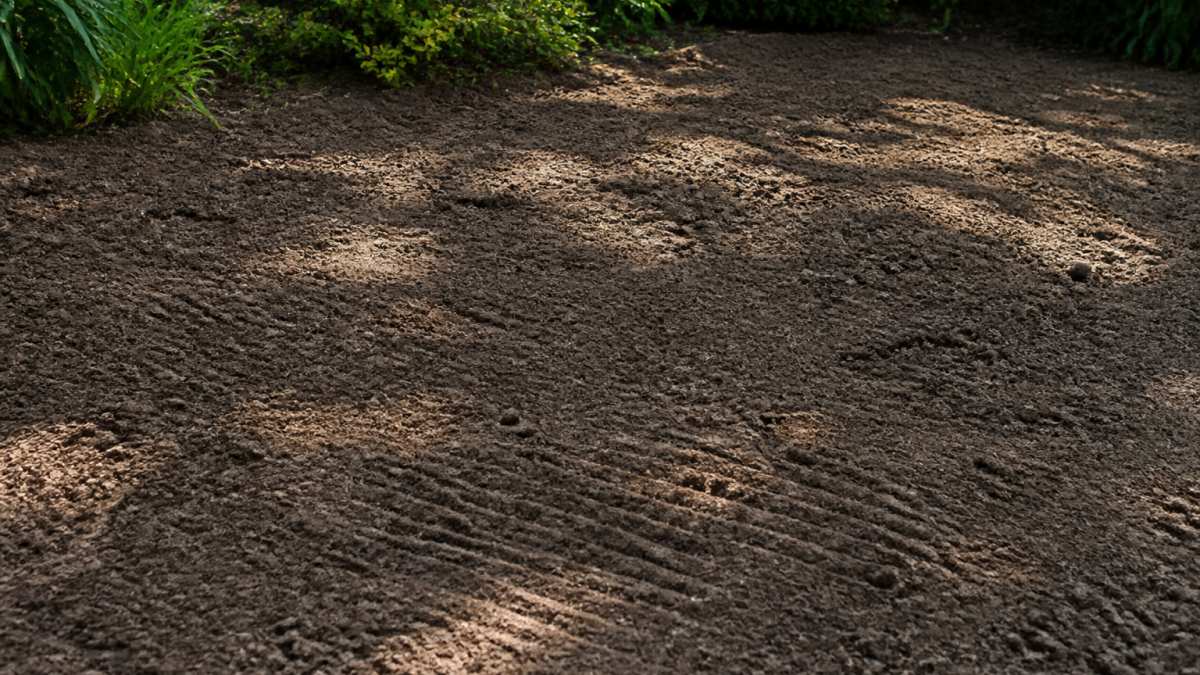
Several methods can remove existing vegetation before sowing wildflower seeds.
| Method | How it works | Best for |
|---|---|---|
| Dig it out | Remove turf in sections and compost | Small areas |
| Solarise | Cover with black plastic for 6-8 weeks | Summer preparation |
| Herbicide | Apply glyphosate-based product, wait two weeks | Large areas |
| Scalp the lawn | Mow short, then scarify aggressively | Existing lawns |
When to Sow Wildflower Seeds
Timing affects germination rates and establishment success. Autumn and spring are both viable, but each has advantages.
Autumn sowing (September to November) works well in the UK. Seeds need a cold period over winter to germinate properly. This natural stratification improves spring emergence. Sow before the first hard frosts so seeds settle into soil before freezing.
Spring sowing (March to May) suits impatient gardeners. Germination happens quickly in warming soil. You’ll see flowers the same year. However, spring-sown meadows need more watering during dry spells.
Many gardeners find autumn sowing more reliable. You avoid the dry season and let nature handle stratification.
Choosing the Right Wildflower Meadow Seed Mix
The seed mix you choose determines which flowers appear and how your meadow looks. This choice matters more than most people realise.
Select a mix suited to your region and soil type. A mix for heavy clay differs from one for sandy soil. UK wildflower suppliers offer regional blends that perform better locally.
Consider what you want to see. Some mixes emphasise colour and height. Others focus on early-season flowers or late-season blooms. Look at the species list on the packet, you should recognise most names and visualise the result.
Avoid mixes with aggressive grasses. Grasses provide structure, but too much grass smothers flowers. A good mix contains more flower species than grass species.
Buy from reputable suppliers. Cheap seed often contains low-viability seeds or unwanted species. Quality seed costs more but germinates reliably.
Buy 10-15% more seed than the packet recommends. Some seeds won’t germinate. Extra seed ensures good coverage and compensates for natural loss.
Sowing and Establishing Your Meadow
Sowing Techniques
Spread seed evenly across your prepared ground. Uneven sowing creates patchy results with dense and bare areas.
Mix your seed with sand or seed compost before sowing. This bulks up the seed and makes even distribution easier. A 1:1 ratio works well, one part seed, one part sand.
Sow by hand or with a seed spreader. Hand sowing works for small areas. Larger meadows benefit from a broadcast spreader. Rake lightly after sowing so seeds make contact with soil but aren’t buried.
Water gently if spring sowing during dry weather. Autumn-sown seed usually gets enough rain naturally. Don’t overwater, soggy soil encourages fungal problems.
First-Year Care
Your meadow needs attention during its first year. This determines whether it thrives or fails.
Water during dry spells in spring and early summer. Once plants are established (usually by mid-summer), they’re more drought-tolerant.
Remove any aggressive weeds that outpace wildflower seedlings. Hand-pull perennial weeds like docks and thistles. Annual weeds usually die after the first cut.
Don’t mow during the first year. Let wildflowers establish roots and flower. A light trim in late summer removes dead growth without harming developing plants.
Expect a patchy first year. Many wildflowers take two years to flower from seed. Your meadow improves dramatically in year two.
How to Maintain a Wildflower Meadow
Annual Cutting Schedule
This is the most important maintenance task. Cutting controls vigorous grasses and allows wildflowers to set seed.
Cut once yearly, ideally in late summer (August to September). This timing lets flowers complete their life cycle and set seed for next year. It also removes the accumulated dead growth that can smother emerging plants.
Use a scythe, strimmer, or rotary mower set high. Don’t use a rotary mower, it cuts too close and damages the sward. Collect and remove the cuttings. Leaving them in place adds fertility and favours grasses over flowers.
Some gardeners do a light spring cut (April) to tidy the meadow before growth accelerates. This is optional but keeps the space looking intentional rather than wild.
If you find cutting and collecting cuttings overwhelming, professional garden maintenance services can handle this work, timed with your meadow’s needs. Let’s chat about ongoing maintenance support for your meadow.
One late-summer cut, with cuttings removed, maintains your meadow’s health and encourages wildflower flowering.
Managing Invasive Plants
Invasive plants compete with wildflowers and gradually take over if ignored.
Docks and thistles are the most common problems. Remove these by hand-pulling or digging out the whole root. Do this in spring before they flower. One dock plant can produce thousands of seeds.
Nettles indicate rich soil. They’re not invasive in the meadow sense, but they crowd out wildflowers. Cut them down in late spring before flowering.
Creeping buttercup spreads via runners. Raking the meadow in spring breaks these runners and reduces spread.
Brambles and scrub need early intervention. Remove saplings by hand while small. Once established, they’re expensive to remove.
Regular cutting controls most invasive species. Plants that can’t flower can’t set seed. A consistent late-summer cut prevents most problems.
Common Mistakes to Avoid
Not removing enough vegetation beforehand. Grass outcompetes wildflower seedlings. Thorough removal is essential, not optional.
Sowing into fertile soil. Rich soil favours vigorous grasses. Your meadow becomes a grass field with a few flowers. Test your soil or assume it’s too fertile if you’ve had a lawn there.
Choosing the wrong seed mix. A generic wildflower mix might not suit your conditions. Regional mixes perform better. Check the species list and soil recommendations.
Mowing at the wrong time. Cutting in spring removes emerging wildflowers. Cutting in mid-summer prevents seed set. Late summer is the only time that works consistently.
Not removing cuttings after cutting. Leaving cuttings in place adds fertility and favours grasses. Remove them to a compost heap.
Expecting instant results. Wildflower meadows look modest in year one. Year two and beyond improve dramatically as perennials establish. Patience is essential.
Overwatering or overfeeding. Wildflowers thrive in poor conditions. Extra water or fertiliser favours aggressive grasses instead.
Creating a wildflower meadow takes planning and effort, but the payoff is genuine. You’ll support local bees and butterflies whilst reducing your garden maintenance.
Frequently Asked Questions
How do you prepare the ground for wildflower seeds?
Ground preparation is essential for wildflower success. Natural England advises preparing bare ground over about 50% of the area before sowing. Remove existing turf and perennial weeds, then cultivate the soil to create a loose seedbed. For poor soil conditions, avoid adding compost or fertiliser, as wildflowers thrive in nutrient-poor ground. Rake the surface level and firm it gently to ensure good seed-to-soil contact. This preparation work is crucial, skipping it is a common reason meadows fail to establish properly.
When is the best time to sow a wildflower meadow?
Autumn (September to November) and spring (March to May) are both suitable sowing windows. Autumn sowing often produces better results because seeds experience natural winter chilling, improving germination rates. Spring sowing works well if you’ve missed the autumn window. Avoid sowing in summer or during dry spells, as seeds need consistent moisture to germinate. Check your chosen seed mix’s instructions, as timing can vary depending on the species included.
What should I look for in a wildflower meadow seed mix?
Choose a seed mix suited to your soil type and local conditions. Mixes are typically categorised for clay, loam, or sandy soils. Select species native to your region to support local pollinators like bees and butterflies. Quality matters: buy from reputable suppliers to ensure good germination rates and avoid contamination with unwanted plants. Check that the mix includes a variety of flowering heights and bloom times to provide colour from spring through autumn. Avoid mixes with aggressive species that can overwhelm delicate wildflowers.
How often should you cut a wildflower meadow?
Cut your meadow once yearly, typically in late summer (August or September) after flowers have set seed. Use a scythe, strimmer, or rotary mower set high (at least 25mm). Remove cuttings to reduce nutrient buildup, which helps maintain poor soil conditions that wildflowers prefer. In the first year, delay cutting until autumn to allow flowers to establish. Avoid cutting during the growing season, as this disrupts flowering and damages emerging plants. Timing your cuts with wildlife in mind protects nesting birds and invertebrates.
