
Table of Contents
- What Regular Lawn Mowing Services Oxfordshire Actually Include
- How Often to Mow a Lawn UK: A Month-by-Month Guide
- Lawn Care for Patchy Grass Oxfordshire: What a Mowing Service Can Fix
- Pollinator-Friendly Garden Maintenance: Keeping It Neat for Bees and Butterflies
- How Much Do Regular Lawn Mowing Services Cost?
- Choosing a Reliable Lawn Mowing Service in Oxfordshire
- Frequently Asked Questions
Last Updated: September 29, 2026
What Regular Lawn Mowing Services Oxfordshire Actually Include
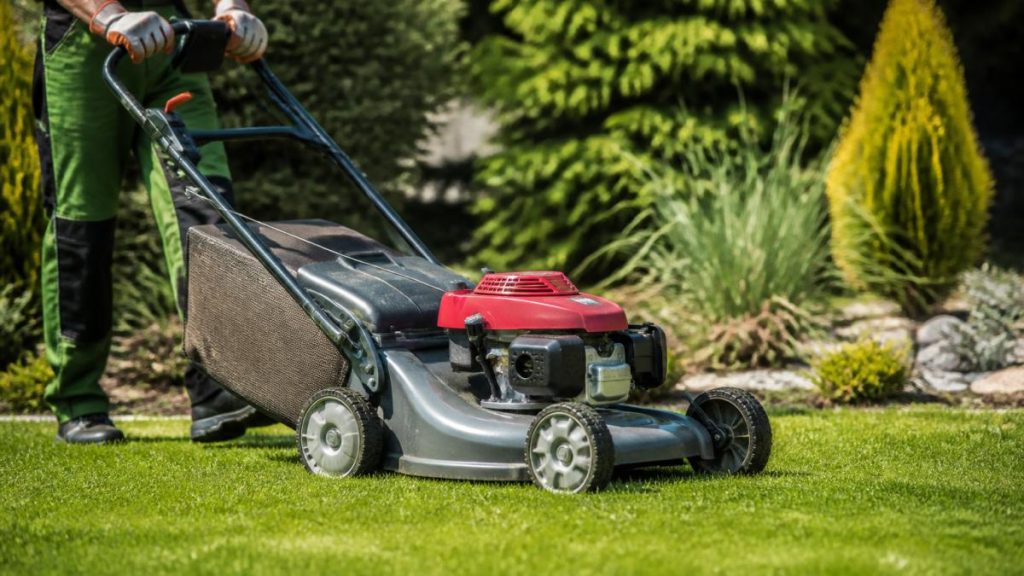
Regular lawn mowing services in Oxfordshire are a scheduled maintenance arrangement in which a professional team cuts, edges and tidies your lawn on a recurring basis, usually every one to two weeks through the growing season. At TLC Gardening, we treat it as the foundation of a wider garden care plan rather than a one-off cut.
A common mistake is assuming “mowing” means pushing a machine over the grass. In practice, a proper visit covers far more:
- Cutting at the correct height for the season and grass type
- Strimming around trees, borders, fences and obstacles
- Edging paths and driveways for a crisp finish
- Clearing clippings and blowing down hard surfaces
- A quick visual check for disease, moss, weeds or bare patches
That last point matters more than most homeowners expect. The person mowing your lawn weekly is the person best placed to spot problems early, before they become expensive.
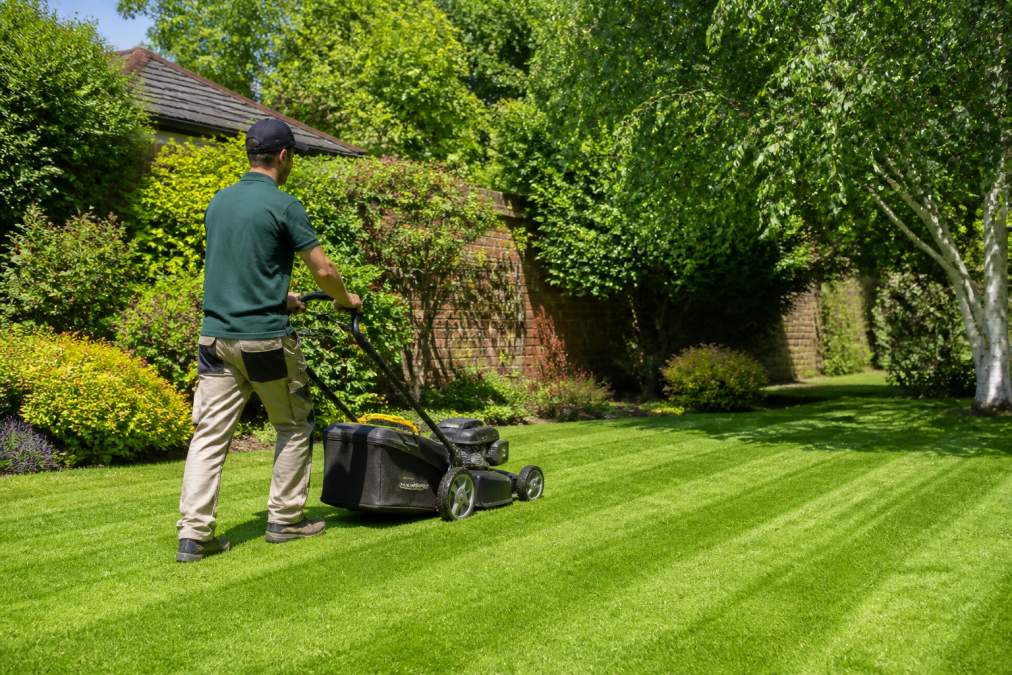
Ask any provider what happens to the clippings. Leaving heavy cuttings on the lawn smothers the grass beneath, and it is one of the fastest ways to create the patchy, yellowing surface you were trying to avoid.
How Often to Mow a Lawn UK: A Month-by-Month Guide
The short answer: mow weekly through the peak growing months, fortnightly in spring and autumn, and only when conditions allow in winter. Grass growth in the UK is driven by temperature and daylight, so frequency should follow the season rather than a fixed calendar.
Spring and Summer: The Peak Growing Season
From late March through August, most lawns need cutting every seven to ten days. Let it stretch to a fortnight in warm weather and you will be removing more than a third of the blade at once, which stresses the grass and leaves it looking scalped.
During dry spells, raise the cutting height slightly. Longer blades shade the soil, hold moisture and keep the lawn greener for longer.
Autumn and Winter: Reducing Frequency Without Neglecting the Lawn
Growth slows sharply from October. Fortnightly cuts are usually enough into November, then switch to occasional cuts on dry, mild days only. Never mow a frosty or waterlogged lawn, as you will compact the soil and tear the grass rather than cut it.
Royal Horticultural Society lawn maintenance guidance recommends adjusting cutting height with the seasons rather than stopping altogether, which keeps the lawn tidy without weakening it.
| Season | Typical Frequency | Cutting Height | Watch Out For |
|---|---|---|---|
| Spring (Mar-May) | Every 7-10 days | Medium | First cut of the year, moss |
| Summer (Jun-Aug) | Every 7-10 days | Medium-high in dry spells | Drought stress, weeds |
| Autumn (Sep-Nov) | Fortnightly | Medium | Leaf fall, compaction |
| Winter (Dec-Feb) | Occasional dry days | High | Frost, waterlogging |
Lawn Care for Patchy Grass Oxfordshire: What a Mowing Service Can Fix
Lawn care for patchy grass Oxfordshire homeowners ask about usually comes down to three causes: poor cutting practice, compaction, and shade. A good maintenance plan addresses all three, but only if the provider actually diagnoses the problem first.
Diagnosing Why Your Lawn Is Patchy
Walk the lawn and look at where the bare spots sit. Patches under trees point to shade and root competition. Patches along a worn route point to compaction. Random thinning across the whole lawn often traces back to cutting too short, mowing with a blunt blade, or leaving clippings to smother the surface.
Repair Techniques Included in a Maintenance Plan
Once the cause is clear, the fix is usually straightforward:
- Scarifying to remove thatch and let air and water reach the roots
- Aerating compacted areas so roots can spread
- Overseeding bare patches with a suitable seed mix
- Top dressing to level uneven ground and improve soil structure
- Adjusting the cut height so the grass is never stressed
Overseeding straight after a harsh winter scarify often fails. The seed needs warmth and consistent moisture to germinate, so timing the repair work to the season matters as much as the technique.
Pollinator-Friendly Garden Maintenance: Keeping It Neat for Bees and Butterflies
Pollinator-friendly garden maintenance is the practice of managing a garden so it stays tidy and usable while still providing food and shelter for bees, butterflies and other wildlife. It does not mean letting the garden go wild.
The trick is zoning. Keep formal areas, paths and lawns closely maintained, then allow designated borders or a strip of wildflower to grow longer and flower freely. Mow wildflower areas on a rotation rather than all at once, so there is always somewhere for insects to feed.
At TLC Gardening, this is one of our specialisms. We time maintenance around local wildlife, avoiding cuts when key plants are in flower and leaving seed heads standing where they support birds and insects over winter.
Wildlife Trusts advice on gardening for pollinators notes that even small changes, such as letting part of a lawn grow longer, can make a measurable difference to local insect populations.
How Much Do Regular Lawn Mowing Services Cost?
Pricing depends on the size of your lawn, how often you need visits, access to the garden, and whether you want additional work such as hedge trimming or seasonal clean-ups. There is no single figure that fits every property, and any provider quoting one over the phone without seeing the garden is guessing.
What you should expect from a quote:
- A visit to assess the garden, or at least clear questions about size and access
- A breakdown of what each visit includes
- A clear frequency and schedule, not a vague “we’ll be in touch”
- Confirmation of what happens to clippings and green waste
For current pricing, TLC Gardening’s quote request page is the place to start. We provide a written quote based on your actual garden rather than a flat rate.
Choosing a Reliable Lawn Mowing Service in Oxfordshire
Reliability is the single biggest complaint homeowners raise about garden services, and it is the hardest thing to judge before you commit. Anyone can promise a weekly slot in spring; far fewer keep it in July.
Ask these questions before you sign up:
- Can you commit to a fixed regular slot, and what happens if you miss it?
- Who actually turns up each visit, and are they vetted?
- Are you insured, and what is your process if I am unhappy with the work?
- Do you offer one-off visits as well as regular plans?
- What is your notice period if I need to pause or cancel?
A family-run business like TLC Gardening tends to answer these differently from a large franchise. You deal with the same people, and the team knows your garden. That continuity is worth more than a slightly lower hourly rate.
The best test of a lawn mowing provider is not the first cut, it is the fifth. Consistency across a full season separates a reliable service from one that shows up when it suits them.
Frequently Asked Questions
How often should a lawn be mowed during the growing season?
During the main growing season from March to October, most lawns need mowing every 7 to 10 days. In peak summer growth, weekly cuts keep the grass healthy and prevent it from becoming too long. Regular lawn mowing services in Oxfordshire adjust frequency based on weather and grass type, so you never have to guess.
Can professional lawn care help with patchy grass?
Yes. Patchy grass often results from compacted soil, poor drainage, or incorrect mowing height. A professional service can scarify, aerate, overseed, and adjust cutting schedules to encourage thicker growth. Lawn care for patchy grass in Oxfordshire typically involves a tailored plan that addresses the root cause rather than just the symptoms.
What is the best time of day to mow a lawn in the UK?
Late morning or early afternoon is ideal, once dew has dried but before the hottest part of the day. Mowing wet grass clumps and tears it, while mowing in peak heat stresses the lawn. If you use a regular lawn mowing service, they will schedule visits at the right time to keep your grass healthy.
Do professional lawn care services include edging and debris removal?
Most reputable providers include edging, strimming, and clearing of clippings as standard. Some also offer hedge trimming and border maintenance. When you get a quote, confirm exactly what is covered so you know whether the service matches your expectations for a tidy finish.
Finding a lawn mowing service that turns up on time, every time, through a full growing season is harder than it should be. TLC Gardening is a family-run team covering Oxford and Oxfordshire, offering regular slots or one-off visits, pollinator-friendly maintenance timed around local wildlife, and honest advice on what your lawn actually needs. Get a quote from TLC Gardening and keep your garden looking its best without lifting a finger.