Table of Contents
- What You’ll Need Before You Start
- Step 1: Survey Your Overgrown Garden and Set Priorities
- Step 2: Essential Garden Clearance Tools for the Job
- Step 3: Tackling Weeds, Brambles and Dense Shrubs
- Step 4: How to Dispose of Garden Waste Legally and Responsibly
- Step 5: Wildlife-Friendly Garden Clearance That Protects Pollinators
- Common Mistakes to Avoid When Reclaiming an Overgrown Garden
- Conclusion
- Frequently Asked Questions
Last Updated: 23 September 2026
What You’ll Need Before You Start
Reclaiming an overgrown garden is easier when you plan before you pull a single weed. Managing a neglected space takes time, the right kit and a clear head, not brute force.
Here is what to sort out first:
- Time: Set aside a few hours per session, not one exhausting weekend.
- Clothing: Sturdy boots, thick gloves, long sleeves and eye protection.
- Bags or a green waste bin: You need somewhere for the cuttings to go.
- Water and a first aid kit: Cuts and thorns are common in neglected plots.
- A plan: Decide which areas matter most and tackle those first.
Pacing yourself matters more than any single tool.
One more thing. Check the weather before you begin. Working in wet conditions makes soil heavier and tools harder to handle.
Step 1: Survey Your Overgrown Garden and Set Priorities
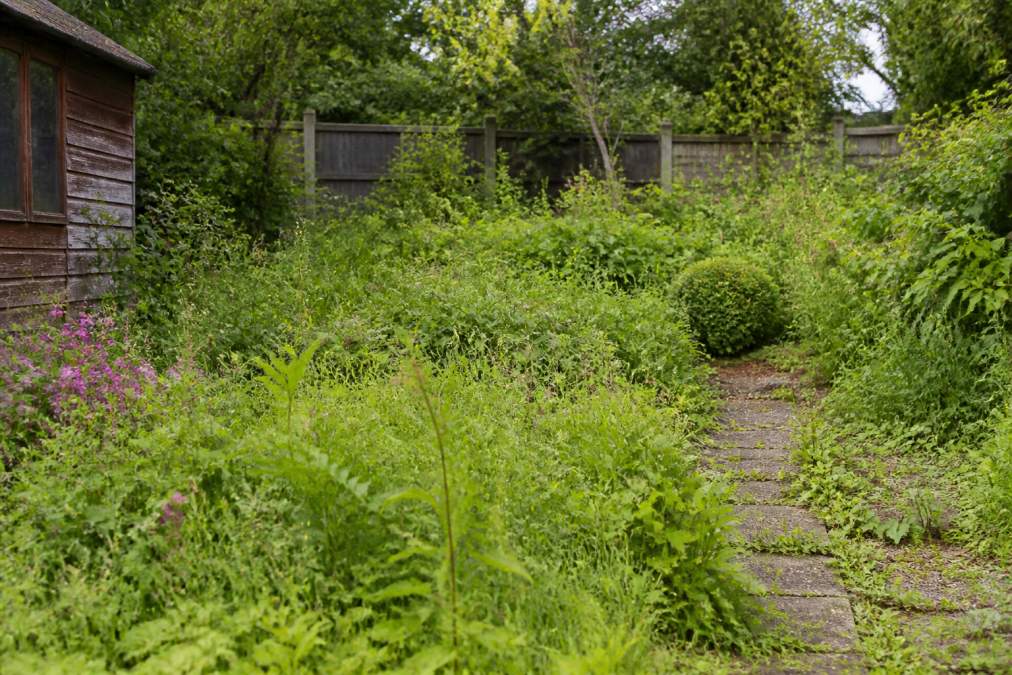
Walk the whole space before you touch anything. A slow lap with a notebook reveals what you’re dealing with and stops you wasting effort on the wrong jobs.
Look for these things as you go:
- Which plants are healthy and worth saving?
- Where are the worst brambles, nettles or ivy?
- Are there hidden hazards like broken glass, wire or rubble?
- Which areas are visible from the house or road?
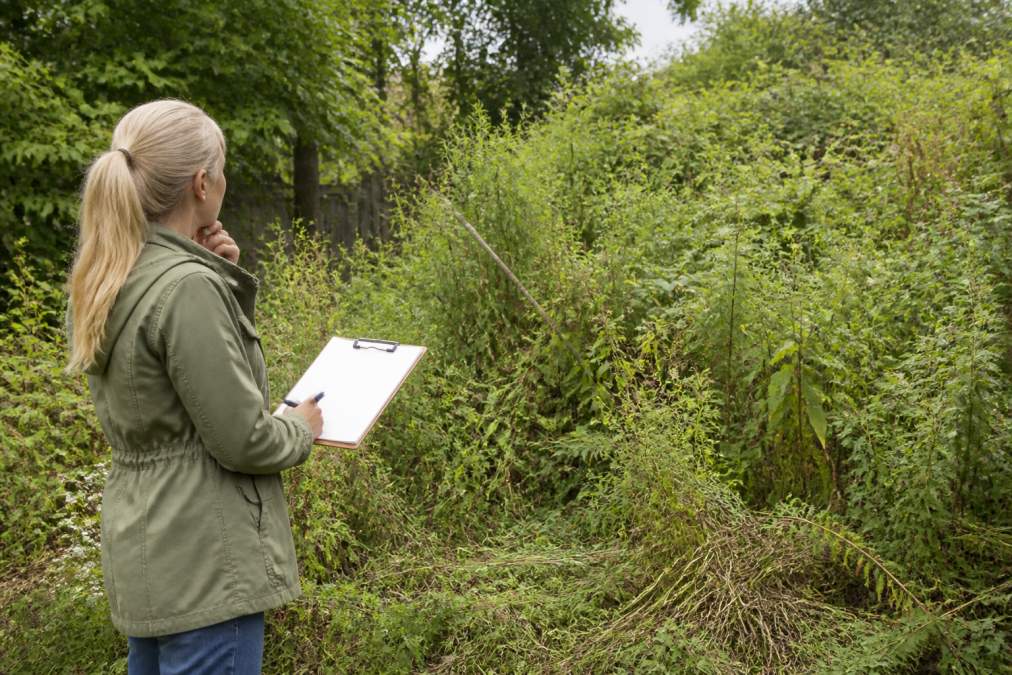
Rank your jobs into three groups: urgent, important and later. Clearing a path to the shed usually beats tidying a border nobody sees.
Photograph each area before you start. It gives you a clear record of progress and helps you spot regrowth in the same spots later.
Step 2: Essential Garden Clearance Tools for the Job
The right garden clearance tools save hours of frustration. You do not need a shed full of equipment, just a handful of reliable items.
Start with these basics:
- Secateurs and loppers for stems and small branches
- A pruning saw for thicker wood
- A digging fork and spade for roots and soil
- A stiff rake for leaves and debris
- Heavy-duty gloves and safety glasses
- A wheelbarrow or tarpaulin for moving waste
Hand Tools vs Powered Equipment
Hand tools suit most overgrown plots and give you more control around plants you want to keep. Powered kit, such as strimmers and hedge cutters, speeds up large areas of rough growth. The trade-off is noise, cost and a higher risk of cutting back too hard.
A common mistake is buying a strimmer before you own decent loppers. Most overgrown gardens are cleared with hand tools first.
Step 3: Tackling Weeds, Brambles and Dense Shrubs
Work from the top down and the outside in. Cut back tall growth first so you can see what you are standing on, then clear the ground beneath.
For different problems, use different methods:
- Annual weeds: Pull by hand before they set seed.
- Perennial weeds: Dig out the roots, or they return within weeks.
- Brambles: Cut stems at the base, then dig out the crown.
- Ivy: Sever the stems near the ground and let the top die back.
- Dense shrubs: Prune in stages rather than cutting to the ground at once.
Stubborn roots need patience. Loosen the soil around them with a fork, then work the root free rather than snapping it.
Never pull brambles or ivy without thick gloves. Thorn scratches and sap reactions are common injuries in neglected gardens.
Step 4: How to Dispose of Garden Waste Legally and Responsibly
Knowing how to dispose of garden waste properly keeps you on the right side of the rules. Most household green waste can go into a council garden waste collection or be composted at home.
Your main options are:
- Council garden waste collection: Usually a paid subscription service.
- Home composting: Good for soft cuttings and leaves.
- Household waste recycling centre: For larger loads.
- Licensed waste carrier: For big clearances.
Check your local council’s rules before you burn anything. Many areas restrict bonfires, and some weeds and invasive plants must not be composted.
For large clearances, a licensed waste carrier takes the load away. Always ask to see their waste carrier registration.
Step 5: Wildlife-Friendly Garden Clearance That Protects Pollinators
Wildlife-friendly garden clearance means clearing in stages and timing work around the creatures that use your garden. A tidy plot and a thriving one are not opposites.
Simple ways to protect wildlife:
- Leave a pile of logs or leaves in a quiet corner.
- Check hedges for nesting birds before you cut.
- Keep some seed heads for birds over winter.
- Avoid chemicals where you can.
- Leave wildflower areas to flower before cutting.
TLC Gardening specialises in pollinator flowers and wildflower creation, and we time maintenance around local wildlife. A pollinator-friendly garden can still look neat. The trick is choosing the right plants and cutting at the right moment, not letting everything run wild.
Clear in phases and leave one wild corner. You keep the garden looking cared for while giving bees, birds and butterflies somewhere to live.
Common Mistakes to Avoid When Reclaiming an Overgrown Garden
Most failed clear-ups share the same handful of errors. Avoiding them saves your back, your budget and your motivation.
Watch out for these:
- Trying to do it all in one day. You will burn out and rush the job.
- Skipping the survey. You cut back plants worth keeping.
- Ignoring the roots. Weeds return within weeks.
- Burning waste without checking rules. This can lead to a fine.
- Disturbing nesting birds. Check before cutting hedges.
- Buying tools before you plan. You overspend on kit you rarely use.
If time is short, a professional garden maintenance service handles the heavy work and keeps the space under control. TLC Gardening offers regular slots or one-off visits.
Conclusion
An overgrown garden can feel overwhelming, but a clear plan turns it into a series of small, manageable jobs. Survey first, gather the right tools, clear in stages and dispose of waste properly.
If you would rather hand the work to someone reliable, TLC Gardening can help. As a family-run team, we offer expert garden maintenance, pollinator-friendly planting and wildflower creation, plus regular or one-off visits across the area. Get a quote from TLC Gardening and enjoy a garden that looks its best.
Frequently Asked Questions
Where do I start when clearing an overgrown garden?
Start with a thorough survey. Walk the space and note what is growing, what you want to keep, and where the worst areas are. Divide the garden into sections and tackle one section at a time, beginning with the easiest wins near the house or patio. This builds momentum and gives you a clear area to work from. Check for wildlife such as nesting birds or hedgehogs before cutting anything back, as some species are protected.
What tools are essential for reclaiming a neglected garden?
You will need a sturdy digging fork, a spade, secateurs, loppers, a pruning saw, and a heavy-duty brush cutter or strimmer for dense growth. A wheelbarrow and heavy-duty garden waste bags are also essential. For brambles, thick gloves and a mattock help. Always sharpen blades before starting to make the work safer and faster.
How do I dispose of large amounts of garden waste legally?
You can take garden waste to your local household waste recycling centre, but check your council’s rules on quantities and types of waste accepted. Many councils offer a paid garden waste collection service. For large volumes, hire a skip or use a licensed waste carrier. Never fly-tip, as it is illegal and carries significant fines. If you use a contractor, ask for their waste carrier licence number to ensure your green waste is disposed of responsibly.
Is it better to clear an overgrown garden all at once or in stages?
Staged clearance is usually better. It is less physically demanding, gives wildlife time to relocate, and lets you assess regrowth before moving on. Start with the most visible areas to create immediate impact, then work through the rest over several weekends or hire a professional team for a one-off clearance.