
Table of Contents
- What Is Included in Garden Maintenance
- Factors That Influence Garden Maintenance Costs
- Weekly Garden Maintenance Cost Breakdown
- Getting a Garden Maintenance Quote
- Planning Your Garden Maintenance Schedule
- How to Reduce Your Garden Maintenance Costs
- Is Regular Garden Maintenance Worth the Investment
- Frequently Asked Questions
Last Updated: October 21, 2026
What Is Included in Garden Maintenance
Garden maintenance covers the essential tasks that keep your outdoor space healthy, attractive, and functional throughout the year. At TLC Gardening, we define garden maintenance as the regular care and upkeep of plants, lawns, borders, and hardscaping to maintain their appearance and health.
The core tasks typically include lawn mowing, hedge trimming, weeding, deadheading flowers, and seasonal plant care. Most maintenance also involves clearing fallen leaves, managing garden waste, and basic pest control. For many homeowners, these tasks feel endless, there’s always something that needs attention.
Beyond the basics, regular maintenance can include:
- Lawn aeration and scarification
- Pruning shrubs and trees
- Planting seasonal bedding
- Mulching borders
- Pressure washing paths and patios
- Minor fence repairs
What makes cost of regular garden maintenance vary so much is that each garden is different. A small urban courtyard needs different care than a half-acre country property. The condition of your garden when you start also matters. A neglected garden requires more intensive work upfront.
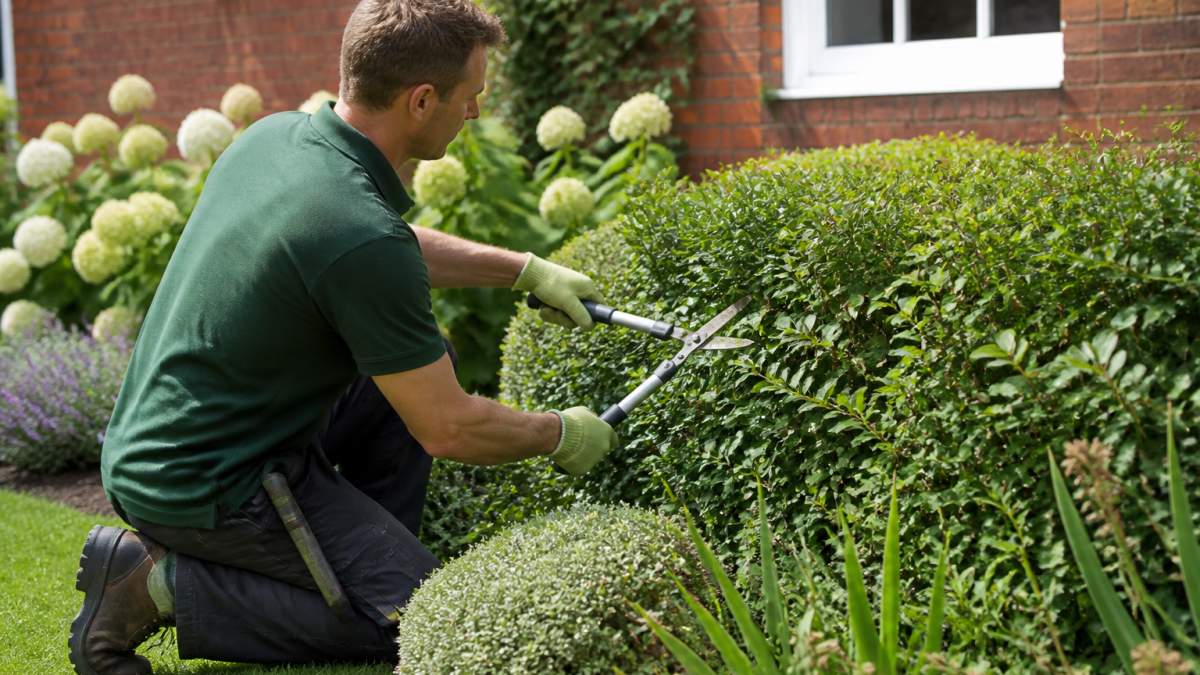
Many homeowners underestimate how much time weekly maintenance actually takes. A typical residential garden needs 4-6 hours of professional care per month to stay looking its best. That’s why outsourcing to a reliable service transforms garden upkeep from a burden into a seamless part of property management.
Factors That Influence Garden Maintenance Costs
The cost of regular garden maintenance isn’t fixed. It depends on several practical factors that directly affect how much work your garden needs each visit.
Garden size is the most obvious factor. A small terraced garden costs less to maintain than a sprawling country estate. But size alone doesn’t tell the whole story. A smaller garden packed with borders and specimen plants might need more detailed care than a larger space with mostly lawn.
Garden condition matters significantly. A well-maintained garden requires routine upkeep. A neglected garden needs intensive work first. Once professionals bring it into good condition, the ongoing cost of regular garden maintenance drops considerably.
Your location and local climate affect maintenance schedules. Gardens in areas with heavy rainfall need different care than those in drier regions. Growing seasons vary, which changes when certain tasks need doing.
The type of plants you have influences costs too. A garden full of high-maintenance specimens like roses and dahlias costs more to maintain than one with hardy perennials. Pollinator-friendly gardens, like those TLC Gardening specialises in, can actually reduce certain maintenance tasks once established.
Key factors to consider:
- Garden size and layout
- Plant types and density
- Lawn condition and size
- Hardscaping (patios, paths, fencing)
- Access for equipment
- Your local climate zone
- How frequently you want visits
The most reliable way to understand your specific cost of regular garden maintenance is to get a detailed quote from a professional. Garden assessments are free, and a good provider will explain exactly what drives their pricing for your property.
Weekly Garden Maintenance Cost Breakdown
When you arrange regular garden maintenance, most providers offer weekly or fortnightly visits. Understanding what happens during each visit helps you see where costs come from.
A typical weekly maintenance visit includes routine tasks. The gardener arrives, assesses what needs doing, and works through the priority list. Lawn mowing takes significant time on most visits. Weeding borders, deadheading spent flowers, and light pruning follow. Clearing garden waste and tidying up finishes the job.
The actual work done varies by season. Spring brings intensive pruning and planting. Summer focuses on mowing, weeding, and deadheading. Autumn involves leaf clearing and cutting back. Winter is lighter but still includes tidying and planning.
What a typical weekly visit covers:
- Lawn mowing and edging
- Weeding borders and beds
- Deadheading and light pruning
- Removing garden waste
- Tidying and general cleanup
- Basic pest and disease monitoring
Seasonal tasks add to the base cost of regular garden maintenance. Spring planting, autumn leaf clearing, and spring bulb planting happen outside routine visits. These specialist jobs cost more but transform your garden seasonally.
The time a visit takes depends on your garden’s size and complexity. A small, simple garden might take 2-3 hours. A larger property with multiple borders and features could take 6-8 hours. This directly affects what you pay.
Avoid providers who quote a fixed price without visiting your garden first. They can’t accurately assess what your property needs. Fixed quotes often lead to rushed work or incomplete maintenance, leaving you frustrated. A proper assessment takes 20-30 minutes and costs nothing.
Getting a Garden Maintenance Quote
Getting a quote for cost of regular garden maintenance is straightforward. Most professional gardeners offer free site visits where they assess your garden and provide a detailed estimate.
During a site visit, the gardener evaluates several things. They look at garden size and layout. They assess plant types and condition. They check lawn health and any problem areas. They note access points for equipment. They ask about your priorities and expectations.
A good quote breaks down what’s included and how often visits happen. It explains any seasonal variations. It shows what specialist tasks cost extra. It’s transparent about pricing so you know exactly what you’re paying for.
When comparing quotes, look beyond the price. Consider the provider’s experience with gardens like yours. Check if they understand your specific needs, like supporting pollinators if that matters to you. Ask about their reliability and how they handle cancellations or rescheduling.
TLC Gardening provides detailed quotes that explain every aspect of your cost of regular garden maintenance. We assess your garden thoroughly, explain our recommendations, and show you exactly what your investment covers. Our team discusses your priorities, whether that’s keeping your garden neat or creating a wildlife-friendly space.
Questions to ask when getting a quote:
- What’s included in each visit?
- How long does each visit typically take?
- What happens in different seasons?
- Are there any additional costs?
- How flexible is the schedule?
- What’s the cancellation policy?
- Do they have experience with your garden style?
Planning Your Garden Maintenance Schedule
The right schedule for cost of regular garden maintenance depends on your garden’s needs and your preferences. Most homeowners find that regular visits work better than sporadic ones.
Weekly visits suit gardens that need consistent attention. They keep everything looking neat and prevent weeds from taking over. This works well for busy professionals who want their garden cared for without thinking about it.
Fortnightly visits suit smaller gardens or those in less demanding seasons. They’re more affordable than weekly visits but still maintain good standards. Many people use fortnightly visits in winter and weekly visits in the growing season.
Monthly visits work for low-maintenance gardens or those with hardy, established plants. They’re the most economical option but require plants that can tolerate longer gaps between care. Monthly visits often work best for people who enjoy some hands-on gardening themselves.
Seasonal visits are an alternative for those on tight budgets. Spring planting, summer tidying, and autumn clearing happen as needed. This requires more personal involvement but reduces professional cost of regular garden maintenance significantly.
Typical scheduling options:
- Weekly visits: year-round intensive care
- Fortnightly visits: balanced maintenance
- Monthly visits: low-maintenance gardens
- Seasonal visits: budget-conscious approach
- Flexible scheduling: as-needed basis
The best schedule matches your garden’s growth rate, your budget, and your lifestyle. A professional like TLC Gardening can recommend what works for your specific property.
How to Reduce Your Garden Maintenance Costs
If you’re concerned about the cost of regular garden maintenance, several strategies genuinely reduce what you spend without sacrificing garden quality.
Plant selection is the first lever. Choose hardy, low-maintenance plants that need minimal pruning and deadheading. Native plants suited to your local climate thrive with less intervention. Perennials that return year after year cost less to maintain than annuals that need replanting. Mulching borders heavily reduces weeding time significantly.
Garden design influences maintenance too. Simpler layouts with fewer plant types cost less to maintain than complex mixed borders. Larger planting areas need less edging and tidying than fussy small beds. Hardscaping like patios and paths reduces the area needing plant maintenance.
Timing matters for cost reduction. Scheduling maintenance during less busy seasons often costs less. Combining multiple tasks in one visit rather than spreading them out reduces overhead. Some providers offer discounts for regular, committed bookings.
Practical ways to lower cost of regular garden maintenance:
- Choose hardy, native plants
- Reduce the number of plant varieties
- Increase mulching in borders
- Simplify garden layout
- Commit to regular visits (often cheaper than sporadic ones)
- Combine tasks into longer visits
- Book during quieter seasons
- Maintain your garden consistently (neglect costs more to fix)
Personal involvement also reduces costs. Doing some light tasks yourself between professional visits keeps costs down. Deadheading flowers, light weeding, and basic tidying are manageable for most people. This also deepens your connection to your garden.
The most cost-effective approach is preventing problems before they start. A well-maintained garden costs less to maintain than one that’s been neglected. Regular professional care, even fortnightly rather than weekly, prevents expensive restoration work later. Prevention is genuinely cheaper than cure.
Is Regular Garden Maintenance Worth the Investment
Whether regular garden maintenance makes financial and practical sense depends on your circumstances. For busy professionals, the answer is usually yes. For those with time and energy, it might be no.
The real value isn’t just the money you save. It’s the time you reclaim. A professional visit that takes 4-6 hours would consume your entire weekend.
Property value is another consideration. Well-maintained gardens enhance kerb appeal and property value. Buyers notice neglected gardens immediately. A consistently beautiful garden becomes a selling point. Over time, regular maintenance protects your property investment.
Health and wellbeing matter too. A beautiful garden improves mental health and creates outdoor space you actually enjoy using. A neglected garden becomes an eyesore that stresses you.
For environmentally conscious homeowners, professional maintenance focused on pollinator support delivers real benefits. Services like those TLC Gardening offers, creating wildflower areas and supporting local wildlife, require expertise most homeowners don’t have.
The decision ultimately depends on:
- How much time you have
- Your budget constraints
- Your garden’s size and complexity
- Your property’s value
- How much you enjoy gardening
- Your environmental priorities
Regular garden maintenance transforms outdoor spaces from sources of stress into sources of pride. Understanding the cost of regular garden maintenance helps you make an informed decision about what’s right for your property.
At TLC Gardening, we help homeowners across Oxfordshire understand their maintenance needs and create schedules that fit their budgets and lifestyles. Our family-run business delivers reliable, expert care that transforms garden upkeep from a chore into a seamless service. For guidance on sustainable gardening practices that reduce maintenance needs Get a quote from TLC Gardening today and discover how professional maintenance can transform your outdoor space.
| Maintenance Schedule | Best For | Typical Commitment |
|---|---|---|
| Weekly visits | Large gardens, busy professionals | Year-round care |
| Fortnightly visits | Medium gardens, balanced care | Flexible scheduling |
| Monthly visits | Small gardens, hardy plants | Low-maintenance approach |
| Seasonal visits | Budget-conscious homeowners | Spring, summer, autumn focus |
For homeowners prioritising wildlife support alongside garden aesthetics, TLC Gardening’s pollinator-friendly maintenance combines both goals. We time our work with local wildlife in mind and create spaces that support bees and butterflies.
Frequently Asked Questions
What factors most affect the cost of regular garden maintenance?
Garden size, location, and condition are the primary drivers. A small urban garden costs far less than a sprawling country property. The frequency of visits, specific tasks needed (lawn treatment, hedge trimming, seasonal work), and whether you require specialist services like pollinator-friendly planting or wildflower creation also impact pricing. Seasonal demand and travel distance to your property influence costs as well.
How often should I schedule garden maintenance visits?
Most homeowners benefit from weekly or fortnightly visits during the growing season (spring through autumn). Winter typically requires less frequent attention unless you need leaf clearance or structural work. Your garden maintenance schedule depends on garden size, how quickly plants grow, and your aesthetic preferences. A professional can assess your specific needs and recommend an optimal frequency.
What’s usually included in a garden maintenance quote?
A comprehensive garden maintenance quote should detail labour hours, specific tasks (mowing, edging, weeding, pruning), materials or treatments needed, and visit frequency. It should clarify whether specialist work like pollinator-friendly planting or lawn care is included or charged separately. Always ask what happens if work takes longer than estimated and whether seasonal variations affect pricing.
Can regular garden maintenance actually save money long-term?
Yes. Consistent maintenance prevents expensive problems: neglected lawns develop moss and bare patches requiring costly renovation, untrimmed hedges become overgrown and difficult to restore, and diseased plants spread issues to healthy ones. Regular care keeps plants healthy, extends their lifespan, and maintains property value. Prevention through routine maintenance costs significantly less than emergency repairs or full garden overhauls.